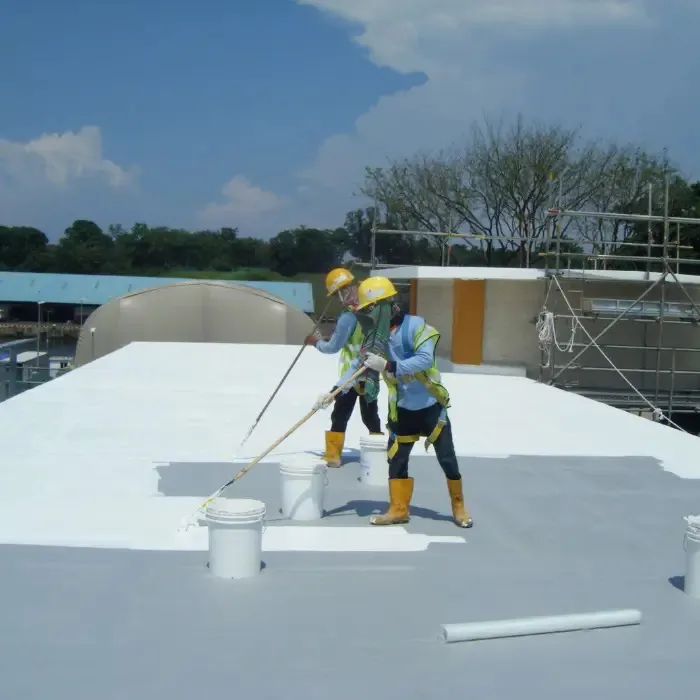





Why Do Concrete Roofs Need Waterproofing?
Concrete roofs are known for their strength and durability, but contrary to common belief, they are not completely waterproof. The micro-pores within the concrete structure allow water to penetrate over time. This becomes especially problematic during rainy seasons, snowmelt, and sudden temperature changes.
Once water infiltrates the concrete, it doesn’t just stay on the surface. Through freeze-thaw cycles, it expands and causes cracks. These cracks grow over time, allowing water to reach deeper layers of the structure, potentially leading to serious structural damage.
Common problems in non-waterproofed concrete roofs include:
- Cracking due to freeze-thaw cycles
- Corrosion of reinforcement steel, weakening the structure
- Dampness, mold, and unpleasant odors in interior spaces
- Paint blistering and plaster deterioration
- Reduced thermal insulation and increased energy loss
- High long-term repair and maintenance costs
For these reasons, waterproofing is not just about comfort—it is essential for structural safety and long-term cost efficiency.
What Are the Main Concrete Roof Waterproofing Materials?
Choosing the right waterproofing material depends on factors such as durability, flexibility, UV resistance, application method, and budget.
1. Polyurethane-Based Liquid Membranes
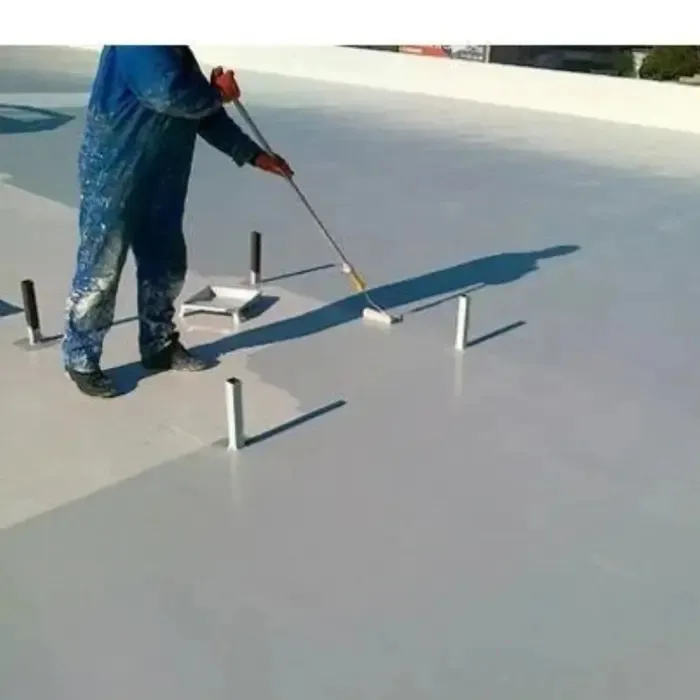
Polyurethane liquid membranes are among the most widely used modern waterproofing solutions. Applied in liquid form, they cure into a seamless, elastic, and waterproof layer.
One of their key advantages is full surface adhesion, eliminating weak points where water could penetrate.
Advantages:
- High elasticity and crack-bridging capability
- Strong UV resistance
- Long-lasting performance
- Easy application on complex details
They are especially effective on exposed roofs and areas subjected to harsh weather conditions.
2. Polyurea Waterproofing Systems
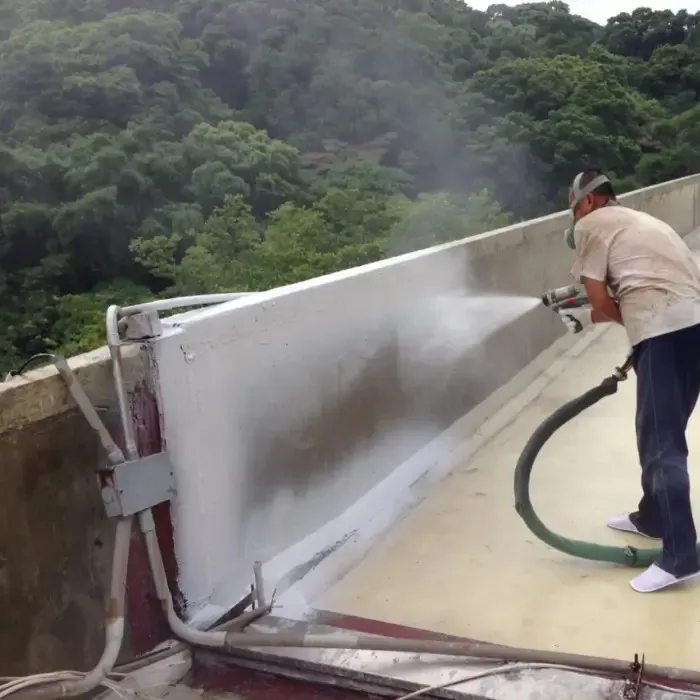
Polyurea is considered one of the most advanced waterproofing technologies available today. It is a two-component system applied באמצעות spray machines and cures within seconds.
This rapid curing creates a seamless, joint-free, and fully waterproof surface.
Advantages:
- 100% waterproofing performance
- Extremely fast curing (within seconds)
- Exceptional elasticity (up to 2000%)
- High resistance to chemicals and abrasion
- Long lifespan with minimal maintenance
Polyurea is ideal for large-scale, industrial, and high-performance projects, although it requires specialized equipment and skilled applicators.
3. Bitumen-Based Liquid Membranes
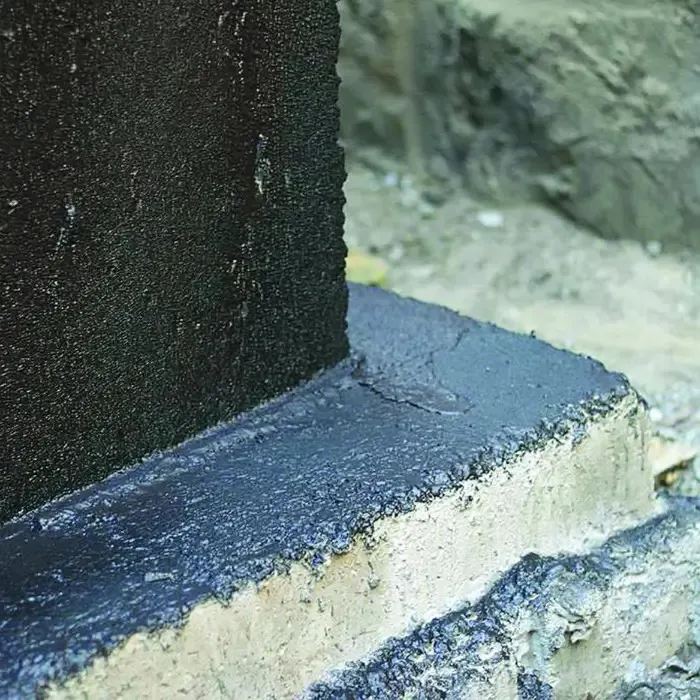
Bitumen-based waterproofing materials are traditional and cost-effective solutions that have been used for many years.
Advantages:
- Affordable
- Easy to apply
- Good adhesion to concrete surfaces
However, their UV resistance is limited, so they should be protected with an additional coating when used in exposed areas.
4. Cement-Based Waterproofing Mortars
Cementitious waterproofing systems work by penetrating into the concrete and forming crystalline structures that block water movement.
Advantages:
- Resistant to both positive and negative water pressure
- Provides internal protection within the concrete
- Long-term durability
These systems are commonly used in basements, foundations, and areas exposed to water from below. For exposed roofs, an additional protective layer is recommended.
5. Acrylic-Based Waterproofing Products
Acrylic coatings are water-based, environmentally friendly, and easy to apply, making them a popular choice for residential projects.
Advantages:
- User-friendly application
- Cost-effective
- Flexible and aesthetically pleasing finish
However, compared to polyurethane and polyurea systems, their durability and lifespan are more limited, requiring periodic maintenance.
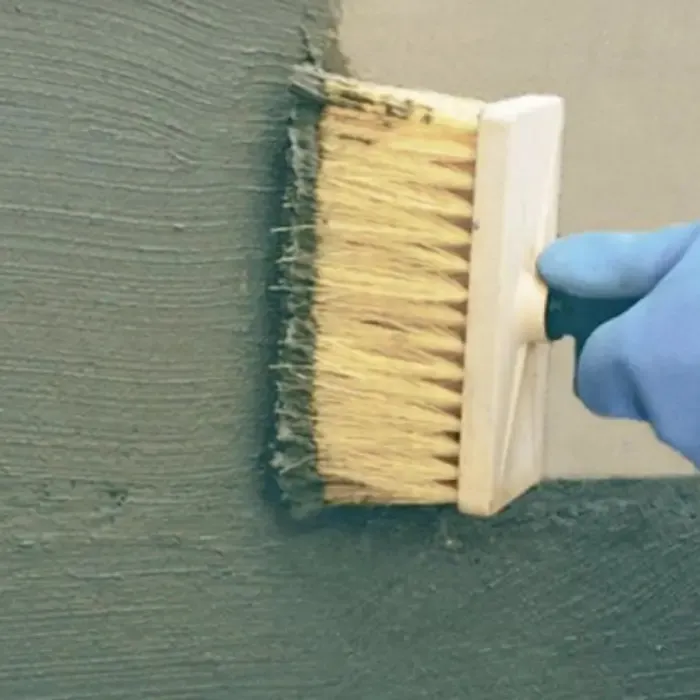
How Is Concrete Roof Waterproofing Applied?
A successful waterproofing system depends not only on material selection but also on proper application.
Basic application steps:
- Surface preparation: Clean the surface from dust, oil, and loose particles.
- Primer application: Apply a suitable primer to improve adhesion.
- Waterproofing layers: Apply the selected material in at least two coats.
- Drying time between coats: Follow the manufacturer’s recommended curing times.
- Protective layer (optional): Apply UV-resistant coating or tiles if needed.
Which Solution Is Best for You?
The ideal waterproofing solution depends on your specific needs:
- Low-cost solution: Acrylic membranes
- Long-term durability: Polyurethane systems
- High performance: Polyurea coatings
- Negative water pressure: Cement-based systems
- Traditional approach: Bitumen-based materials
The Importance of Professional Application
Concrete roof waterproofing may seem simple, but it requires technical expertise. Incorrect material selection or poor application can significantly reduce performance.
With professional application:
- The lifespan of the structure increases
- Water-related damage is prevented
- Energy efficiency improves
- Long-term costs are reduced
Conclusion: Proper Waterproofing Is Essential
Waterproofing is not an optional upgrade for concrete roofs—it is a necessity. A properly selected and professionally applied system protects your building for many years.
Investing in the right waterproofing solution early on helps prevent costly repairs in the future while ensuring a safer, more comfortable living environment.