



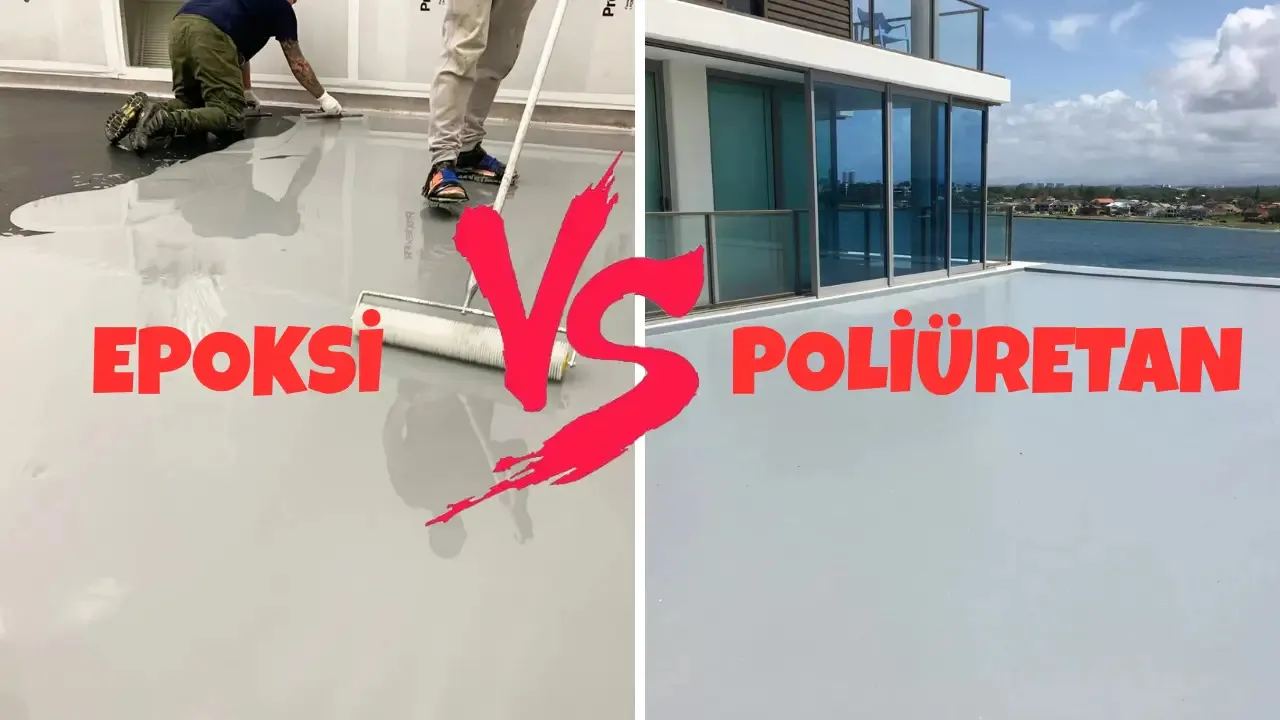
Epoxy vs Polyurethane: Choosing the Right Flooring System
In modern construction and industrial applications, epoxy and polyurethane stand out as two of the most effective floor coating and surface protection systems. From factories and parking garages to retail spaces and terraces, these materials are widely preferred due to their durability, aesthetic appeal, and long service life.
However, each project comes with its own set of requirements. Factors such as substrate condition, traffic intensity, environmental exposure, and application conditions play a critical role in determining the most suitable system. Understanding the differences between epoxy and polyurethane is essential for achieving long-term performance and cost efficiency.
Key Differences Between Epoxy and Polyurethane
1) Chemical Structure and Mechanical Properties
Epoxy coatings are two-component thermosetting resins that cure through a chemical reaction, forming a rigid and highly durable surface. They are particularly suitable for indoor environments where high compressive strength and load resistance are required.
Polyurethane systems, in contrast, are polymer-based and flexible. Their elastic molecular structure allows them to accommodate substrate movement and adapt to dynamic surfaces.
2) Flexibility and Crack Bridging Capability
One of the most defining differences is flexibility.
Epoxy coatings are rigid, which enhances mechanical strength but limits their ability to tolerate structural movement.
Polyurethane coatings offer high elasticity, enabling them to bridge micro-cracks and prevent water ingress. This makes them ideal for outdoor applications such as terraces, roofs, and exposed parking decks.
3) UV Resistance
Epoxy systems are sensitive to ultraviolet (UV) radiation. Prolonged exposure to sunlight can cause yellowing, discoloration, and surface degradation. Therefore, epoxy is generally recommended for indoor or shaded applications.
Polyurethane coatings exhibit excellent UV resistance, maintaining color stability and surface integrity even under direct sunlight. This makes them highly suitable for exterior applications.
4) Chemical Resistance
Epoxy coatings provide superior resistance to aggressive chemicals such as acids, oils, and solvents. For this reason, they are widely used in heavy industrial facilities, chemical plants, and production areas.
Polyurethane systems also offer chemical resistance, but typically not to the same extent as epoxy. Their primary advantage lies in flexibility and environmental durability.
5) Abrasion and Impact Resistance
Epoxy coatings deliver outstanding abrasion resistance, making them ideal for areas exposed to heavy mechanical wear, such as forklift traffic and industrial operations.
Polyurethane coatings, thanks to their flexibility, absorb impacts more effectively and reduce the risk of cracking. However, under continuous heavy abrasion, epoxy generally performs better.
6) Application Areas
Typical Applications of Epoxy
- Industrial and manufacturing facilities
- Warehouses and logistics centers
- Indoor parking garages
- Hospitals and laboratories
- Showrooms and decorative interiors
- Heavy-duty traffic areas
Typical Applications of Polyurethane
- Outdoor parking decks
- Terraces and balconies
- Roof waterproofing systems
- Pedestrian walkways
- Exterior surfaces exposed to weather conditions
7) Application Conditions and Complexity
Both systems require skilled labor and proper equipment.
Epoxy systems typically cure faster but are more sensitive to ambient temperature during application.
Polyurethane systems are more tolerant of temperature and humidity variations, making them particularly suitable for outdoor applications.
8) Cost and Long-Term Performance
Costs vary depending on product type, thickness, and project size.
- Epoxy coatings generally offer a more cost-effective initial investment
- Polyurethane systems tend to be more expensive due to advanced formulations and UV resistance
However, selecting the wrong system can result in significantly higher maintenance and repair costs over time. Therefore, lifecycle cost should always be considered alongside initial investment.
Comparison Table
| Property | Epoxy | Polyurethane |
|---|---|---|
| Flexibility | Low (Rigid) | High (Elastic) |
| Abrasion Resistance | Very High | Medium–High |
| Chemical Resistance | Very High | Medium–High |
| UV Resistance | Low | High |
| Waterproofing | Medium | High |
| Application Areas | Indoor | Outdoor |
| Finish | Glossy, decorative | Matte or glossy, UV stable |
Conclusion: Which System Should You Choose?
Both epoxy and polyurethane systems are essential solutions designed for different performance requirements.
- Epoxy is ideal for indoor environments requiring high strength, durability, and a decorative finish.
- Polyurethane is the preferred choice for outdoor applications where flexibility, UV resistance, and environmental durability are critical.
To achieve long-lasting and high-performance results, it is crucial to carefully analyze project conditions and seek professional technical guidance before application.
The Right Solution with Dryfix
At Dryfix, we offer certified epoxy and polyurethane systems tailored to your project needs. From industrial flooring to waterproofing applications, we provide comprehensive technical support and consultancy services.
Contact us today to find the most suitable solution for your project.