



What Is External Facade Waterproofing and Why Is It Important?
Today, a wide range of waterproofing materials and application systems are used in construction. The most common systems include membranes, liquid-applied waterproofing solutions, and waterproof plaster systems. Each system has its own advantages and limitations; therefore, selecting the correct solution must be based on the building’s structural characteristics, climate conditions, and functional requirements.
External facade waterproofing is not only essential for newly constructed buildings but also plays a critical role in protecting existing structures and extending their service life. When properly applied, it prevents structural deterioration and significantly improves living quality.
Importance and Benefits of External Facade Waterproofing
Waterproofing protects buildings against rain, snow, humidity, and other external environmental factors, preserving structural integrity over time. This protection helps prevent cracking, surface blistering, material decay, mold formation, and deterioration of building components.
In addition, waterproofing contributes to energy efficiency. When combined with thermal insulation systems, it helps maintain stable indoor temperatures and reduces heat loss. This directly results in lower energy consumption and cost savings.
From a health perspective, moisture and water leakage can lead to mold and bacterial growth inside buildings. These conditions may cause serious health issues, especially for individuals with allergies or respiratory conditions. External waterproofing minimizes these risks and creates healthier indoor environments.
In conclusion, external facade waterproofing is not merely a construction expense—it is a strategic investment that increases building value, extends its lifespan, and improves overall living conditions.
Materials Used in External Facade Waterproofing
The materials used in facade waterproofing vary depending on building type, climate conditions, and budget. The most commonly used systems include:
- Bituminous membranes
- PVC membranes
- EPDM membranes
- Polyurethane-based liquid membranes
- Acrylic-based waterproof coatings
- Cement-based waterproofing mortars
- Polymer-modified waterproof renders
- Water-repellent surface coatings (hydrophobic sprays)
- Crack and gap filling compounds
- Primer (adhesion promoter) products
Among these, polyurethane and polymer-modified systems are increasingly preferred in modern construction due to their high flexibility and long-lasting performance.
How Is External Facade Waterproofing Applied?
The application process varies depending on the chosen system, but generally follows these key steps:
1. Surface Preparation
The surface must be clean, dry, and structurally sound. Old paint, loose plaster, and debris must be removed. Cracks and voids should be properly filled with suitable repair materials.
2. Primer Application
A primer is applied to ensure strong adhesion between the surface and the waterproofing material. This step is critical for long-term performance.
3. Application of Waterproofing Material
- Membrane systems are either heat-applied or adhered to the surface.
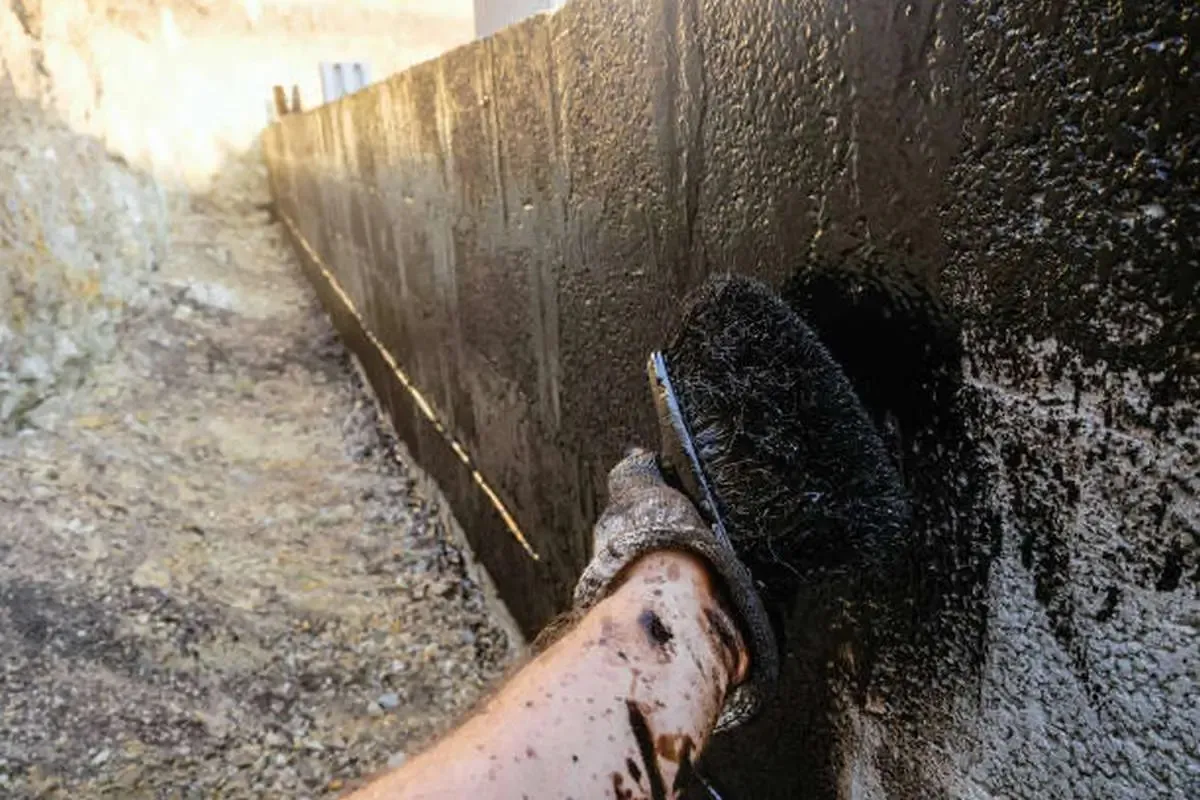
- Liquid systems are applied using brush, roller, or spray methods.
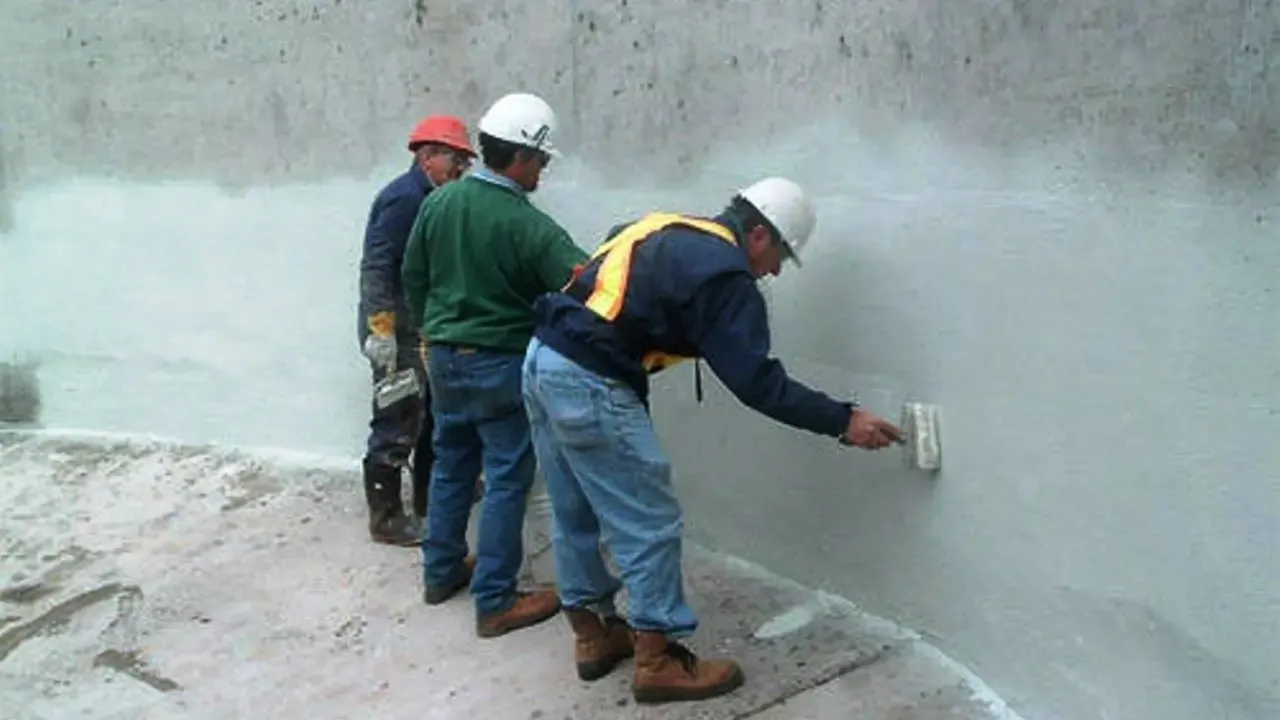
- Cementitious systems are applied similarly to traditional plaster.
4. Protective Layer (If Required)
In some systems, an additional protective layer is applied to increase resistance against external conditions and extend durability.
5. Final Coating or Paint
After waterproofing is completed, a final paint or facade coating may be applied to achieve an aesthetic finish.
Conclusion
When properly selected and professionally applied, external facade waterproofing is not just a short-term protective measure but a long-term investment. It extends building lifespan, reduces maintenance costs, improves energy efficiency, and enhances living comfort. For this reason, waterproofing is an essential component of modern construction systems.