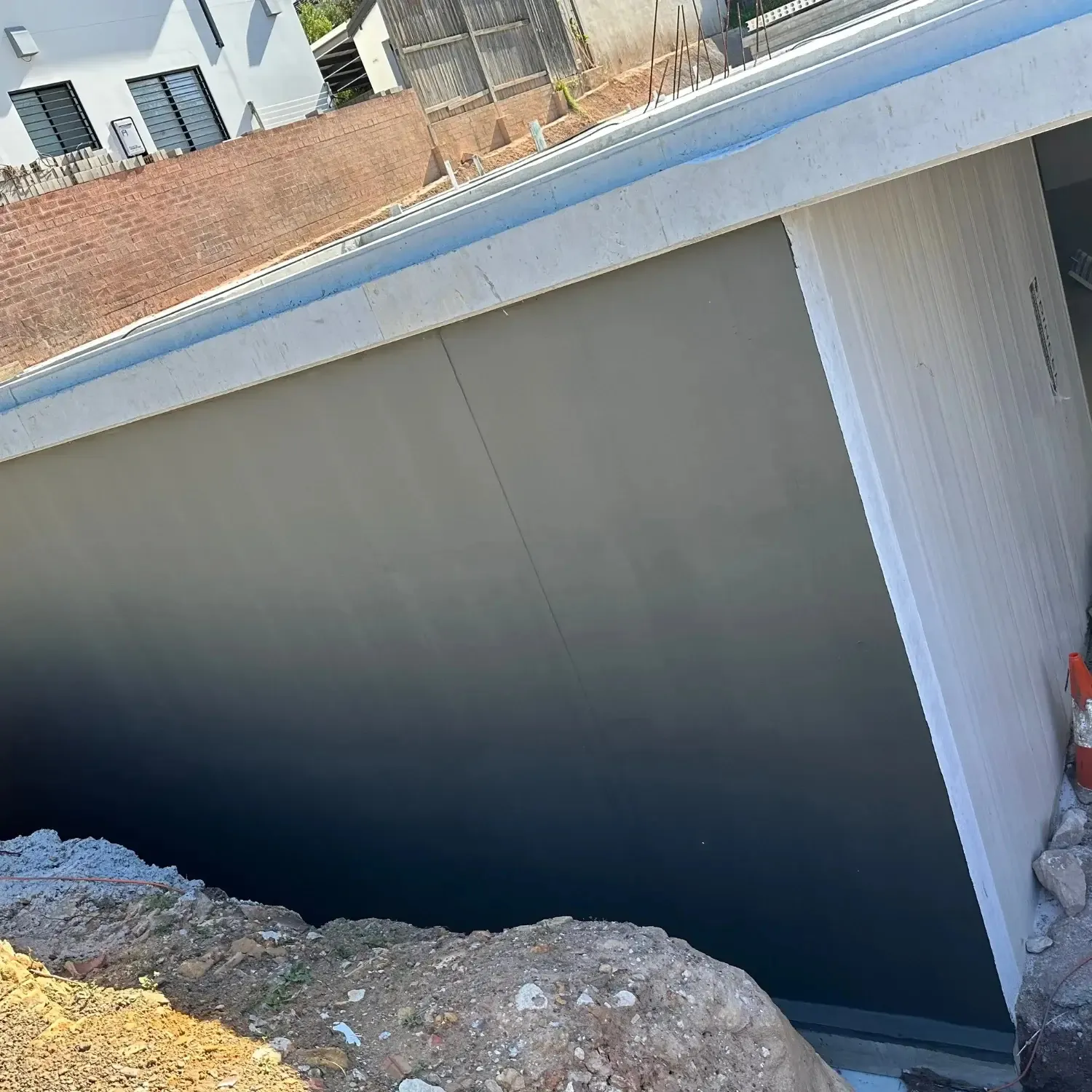





How to Make Concrete Waterproof?
Traditional cement-based mixes used in construction are not inherently waterproof. Due to their porous structure, they tend to absorb water gradually, much like a sponge. Over time, this leads to serious durability issues and reduces the overall lifespan of the structure.
When water penetrates concrete, it can cause reinforcement corrosion, freeze–thaw damage, and internal structural degradation. These effects weaken the building and may eventually compromise its structural integrity. For this reason, ensuring concrete waterproofing is essential in modern construction.
1. Waterproof Concrete Systems
Conventional concrete alone is not sufficient to resist water penetration. Therefore, various additives are introduced during the mixing stage to enhance impermeability.
These additives reduce porosity and prevent water from entering the concrete structure. Some work by repelling water, while others form crystalline structures that block capillaries and pores inside the concrete.
- Hydrophobic additives reduce water absorption by repelling moisture
- Crystalline additives form internal crystals that block water pathways
These systems result in stronger, more durable, and longer-lasting concrete structures.
2. Surface Waterproofing Coatings
One of the most common methods for protecting concrete is applying surface waterproofing systems. These coatings act as a physical barrier between concrete and water.
Bituminous Membranes
Widely used in foundations and below-ground structures. They adhere to surfaces and create a strong waterproof barrier.
Polyurethane Coatings
Highly elastic materials that offer excellent crack-bridging capability. Ideal for terraces, roofs, and outdoor applications.
Crystalline Waterproofing Systems
Penetrate into concrete and create an internal waterproof structure. Effective against both positive and negative water pressure.
The choice of system depends on the application area and exposure level to moisture.
3. Repair of Micro-Cracks and Cold Joints
One of the main reasons concrete absorbs water is the presence of micro-cracks and cold joints that are often invisible to the eye. Cold joints occur where concrete is poured at different times and fails to bond perfectly.
To address these issues, polyurethane injection is commonly used. The process involves:
- Drilling holes along the crack line at specific intervals
- Installing injection ports into these holes
- Injecting polyurethane-based material under pressure
When the material comes into contact with water, it expands and fills all voids, forming a completely impermeable barrier.
Top 5 Concrete Waterproofing Materials
1. Cement-Based Waterproofing Materials
Easy to apply and cost-effective solutions. Commonly used in basements, bathrooms, and water tanks. However, they have limited flexibility.
2. Crystalline Waterproofing Systems
Penetrate deep into concrete and provide permanent waterproofing. Highly durable and long-lasting.
3. Bitumen-Rubber Based Materials
Flexible products with strong crack-bridging ability. Frequently used in roofs and terraces.
4. Acrylic Liquid Membranes
Water-based, eco-friendly, and fast-drying systems applied with brush or roller.
5. Epoxy Coating Systems
Mainly used in industrial floors. Provide both waterproofing and a decorative, highly durable surface.
Conclusion
Making concrete waterproof is essential for ensuring structural durability and extending the lifespan of buildings. With the right system and professional application, water-related damage can be effectively prevented. Proper waterproofing not only reduces maintenance costs but also significantly enhances structural safety and performance.