



Importance and General Concept of Pool Waterproofing
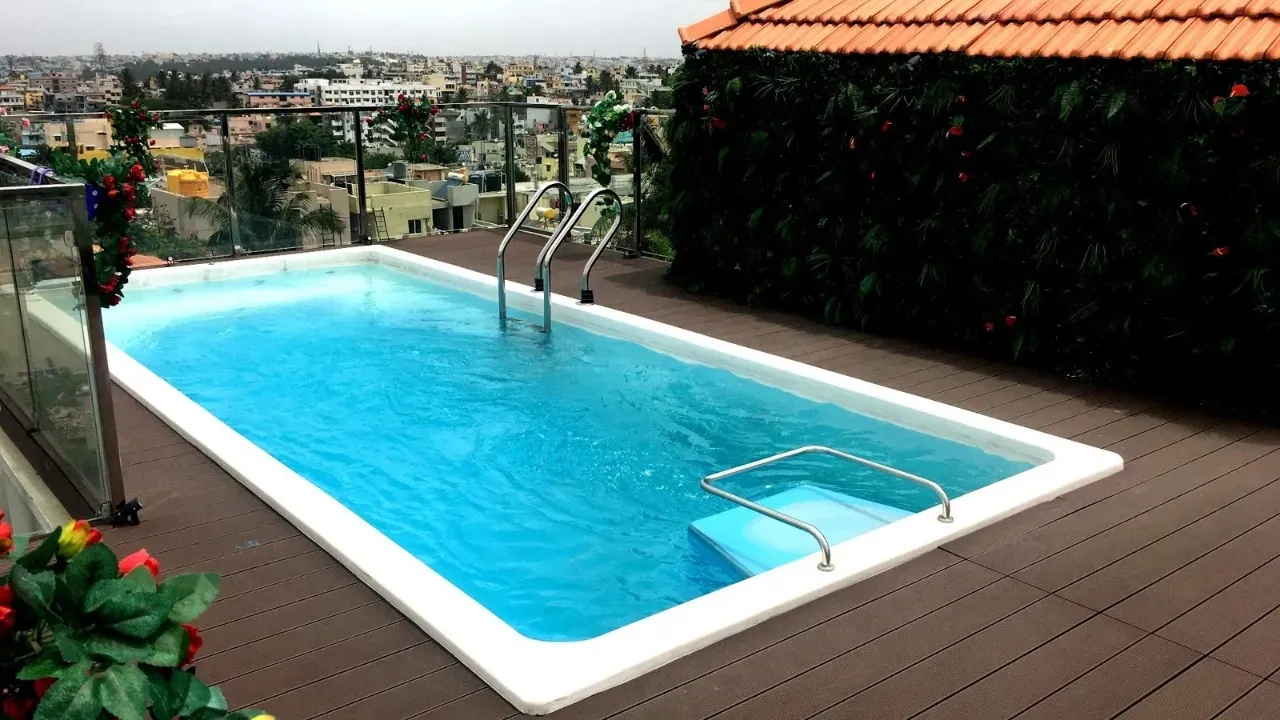
Pool waterproofing is not just about preventing water from escaping the pool. It also prevents external contaminants, such as debris, bacteria, and microorganisms, from entering the water, thereby protecting both water quality and user health.
Waterproofing increases the structural durability, prevents water from damaging the concrete, and contributes to the long-term life of the pool. Over time, concrete structures exposed to water may develop micro-cracks in their pores, allowing water to penetrate and corrode metal reinforcements. Proper selection and application of waterproofing materials minimize these risks.
Pool Waterproofing Materials and Their Uses
Waterproofing materials used in pools vary depending on the type of structure, climate conditions, and the intended use of the pool. The choice of material affects not only water retention but also elasticity, chemical resistance, and long-term durability.
1. Cement-Based Waterproofing Materials
Cement-based waterproofing is one of the most common methods. These materials are made from cement and special additives and are easy to prepare.
- Usage Areas: Concrete pools, screed applications, pre-ceramic coating waterproofing.
- Advantages: High resistance to chlorine ions, so it is unaffected by chemicals used to clean pool water. Water impermeability is maintained for many years. Fills micro-cracks in the concrete, strengthening the structure.
- Example Product: DryFix FULL FLEX 2K Two-component structure provides maximum flexibility. Bridges cracks and is resistant to freeze-thaw cycles. Solvent-free and environmentally friendly, suitable even for drinking water tanks.
2. Waterproofing Tapes
Critical points in pool waterproofing, such as corners and edges, often experience leakage problems. Waterproofing tapes are used to prevent these issues.
- Application: Edge and corner areas receive special tapes to fill gaps and pores, preventing leaks.
3. Joint Fillers
In pools with ceramic coatings, joints between tiles are critical for waterproofing.
- Properties: Highly resistant to water, chemicals, and wear.
- Example Product: DryFix EPO DERZ Antibacterial, preventing mold and mildew. Easy to clean and suitable for joints 2–10 mm wide. Epoxy-based and safe for use.
4. PVC Membranes
PVC membranes are commonly used in large or open pools.
- Advantages: Waterproof, flexible, and durable. Resistant to UV radiation. Can be applied to walls and floors.
5. Polyurethane-Based Waterproofing Materials
Polyurethane materials offer high elasticity and durability.
- Application: Can be applied by brushing or spraying. Available in single or two-component systems.
- Advantages: Resistant to UV, chemicals, and temperature changes. Strong adhesion to surfaces and high waterproofing performance.
Stages of Pool Waterproofing
Pool waterproofing consists of several critical steps, each essential for successful results.
1. Surface Preparation
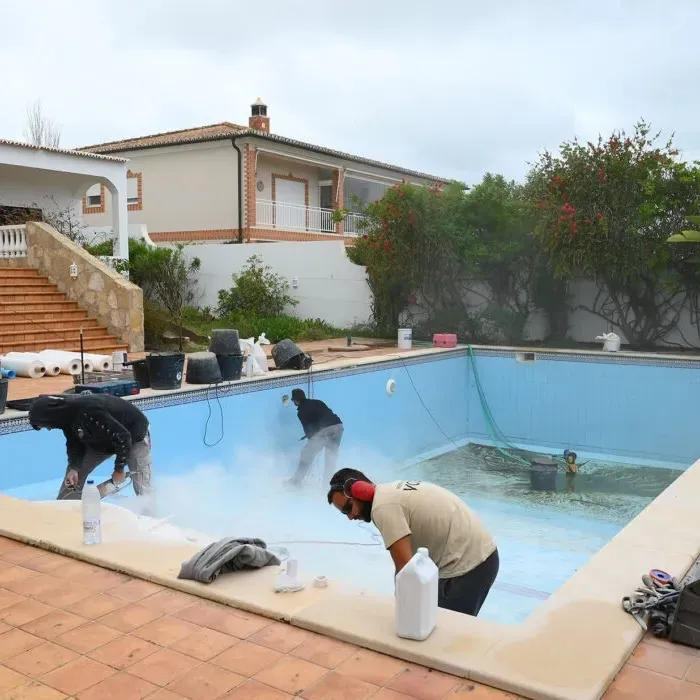
- Remove projections and roughness.
- Smooth the surface with sanding or grinding.
- Fill cracks, holes, and voids with repair mortar.
- Thoroughly clean the surface to ensure maximum adhesion of the waterproofing material.
2. Selection of Waterproofing Material
- For concrete pools with ceramic coatings, cement-based materials may be ideal.
- Materials must withstand both negative and positive water pressure.
3. Application of Waterproofing Tape
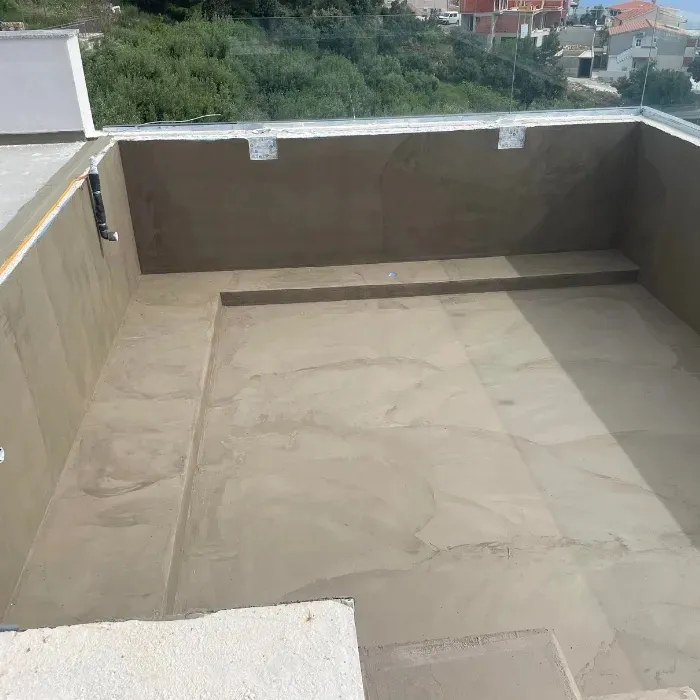
- Apply tape to corners and edges before the main waterproofing material.
- Proper tape placement prevents leaks in both horizontal and vertical areas.
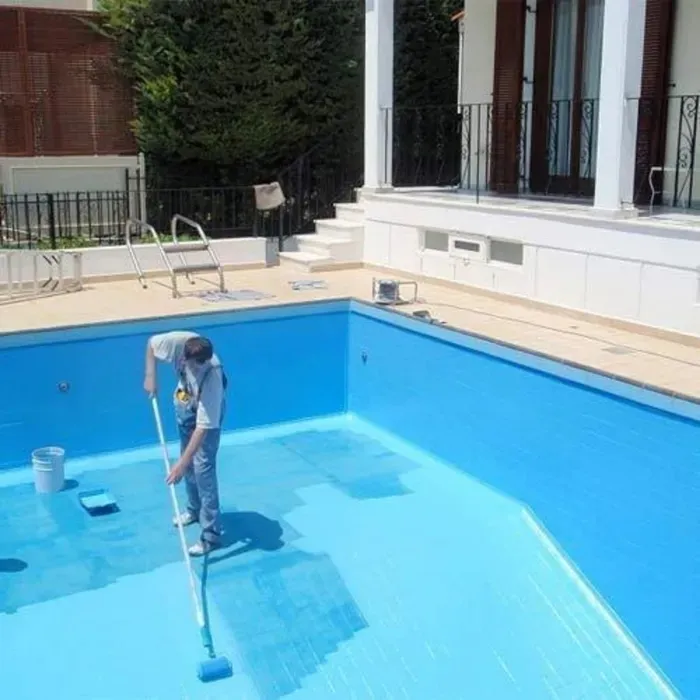
4. Application of Waterproofing Material
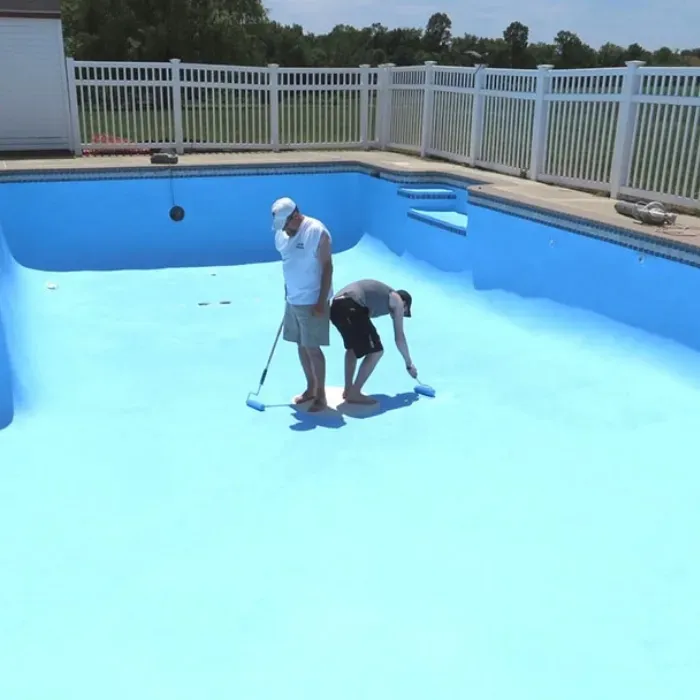
- Usually applied in two layers.
- Prepare materials according to instructions before applying.
- Apply with brushing, spraying, or troweling depending on the material.
- Wait the recommended period between layers.
- Ensure corners and edges are fully covered and tape functions correctly.
5. Leak Test
- After complete curing, fill the pool with water.
- Check for leaks and repair any problem areas with appropriate materials.
Dealing with Leaking Pools
- First, locate the source of the leak. This ensures a more effective repair.
- Apply suitable waterproofing materials to the affected areas.
- If the leak source cannot be identified, the entire pool may need to be re-treated.
- Apply liquid waterproofing material to all surfaces, allow to cure, then refill with water.
- Inspect horizontal and vertical areas to confirm leaks are resolved.