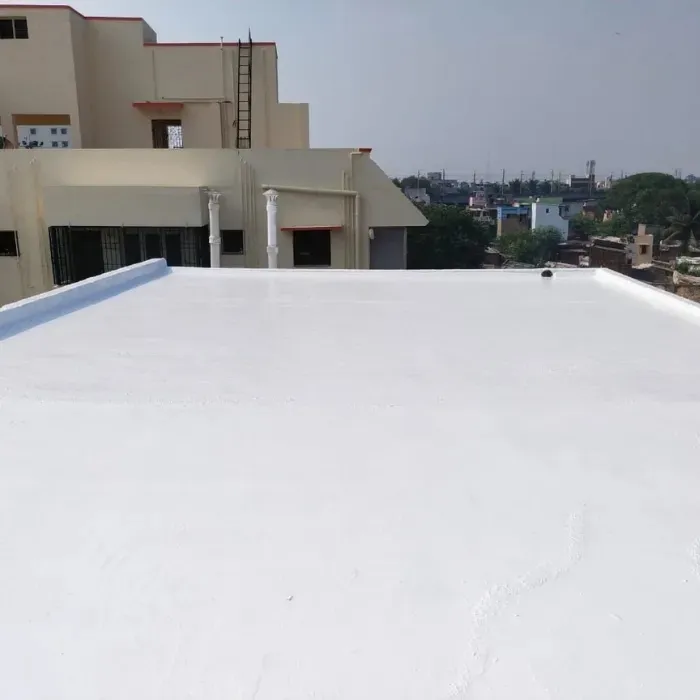




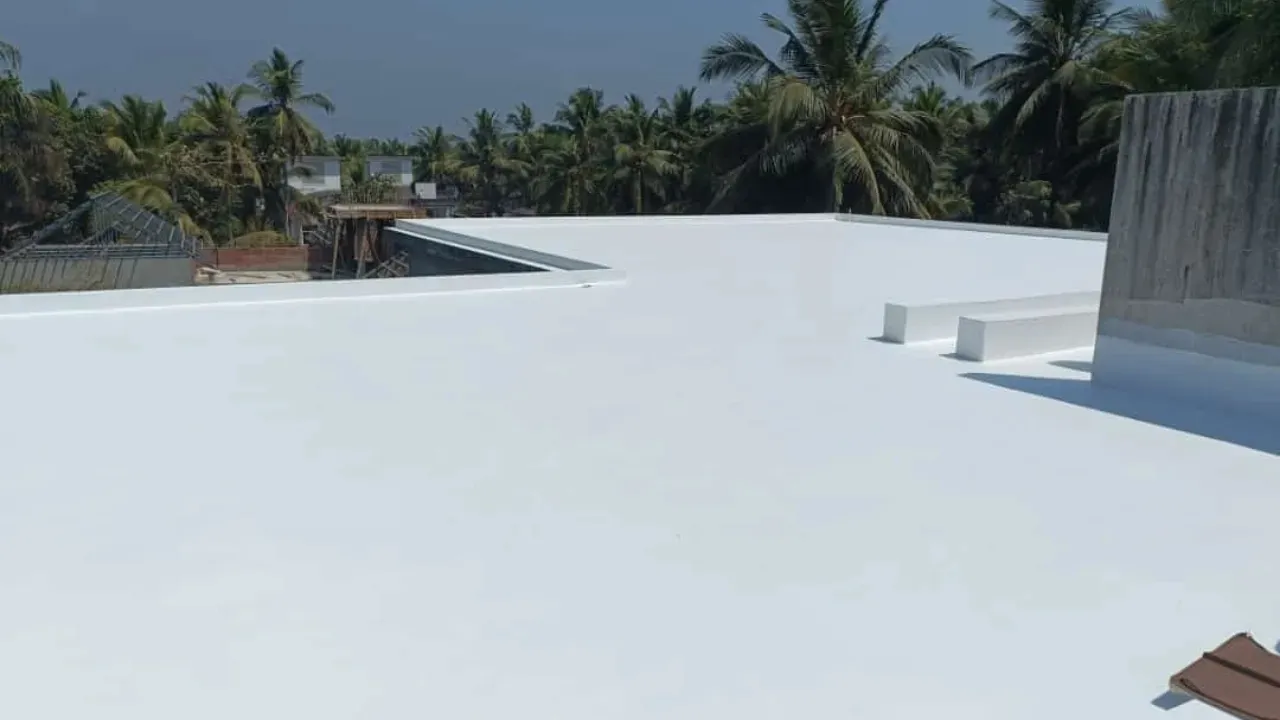
What is Terrace Waterproofing?
Terrace waterproofing encompasses all systems designed to protect terrace floors and walls from water, moisture, and other external factors. Being open spaces, terraces are directly exposed to rain, snow, hail, and wind. Consequently, when water contacts the terrace surface, it can lead to both short-term and long-term problems.
If water penetrates the terrace surface into the concrete or other structural elements, it can cause:
- Cracking and deterioration of the concrete,
- Deformation of tiles and ceramics,
- Moisture and dampness in lower floors,
- Corrosion and reduced durability in structural components.
Therefore, terrace waterproofing is not just an aesthetic procedure; it is crucial for extending the building's lifespan and reducing maintenance and repair costs. Modern waterproofing techniques prevent water infiltration while maintaining the terrace’s decorative and functional properties. For instance, epoxy and polyurethane-based materials provide high water resistance and enhance the terrace’s aesthetic appearance.
Terrace Waterproofing Materials
Terrace waterproofing materials act as a barrier that prevents water from seeping into the surface and structural elements. They vary depending on the terrace’s structure and intended use:
1. Bituminous Membranes
Bituminous membranes are widely used due to their flexibility and durability. Made from refined petroleum products, they are available in options suitable for different temperature ranges.
- Advantages: Easy to apply, UV-resistant, flexible to withstand cracks and deformation.
- Application: Applied to the terrace surface using a specialized flame; the heat ensures full adhesion to the surface.
2. Liquid Membranes
Liquid membranes have a fluid form and can be applied with brushes, rollers, or spray methods. Once dried, they form a fully impermeable layer.
- Advantages: Provides a uniform coating, easily applied on complex surfaces, and easy to maintain.
- Types: Acrylic and polyurethane-based options create a complete water barrier when applied in multiple layers.
3. Polyurethane-Based Materials
Polyurethane-based products are known for their high elasticity and long lifespan, making them ideal for areas prone to cracking.
- Advantages: Sunlight-resistant, prevents crack formation, durable and flexible.
- Application: Can be applied with a brush, roller, or spray; primer is recommended before application.
4. Cement-Based Materials
Cement-based products are an economical option, especially suitable for concrete terraces.
- Advantages: High adhesion to concrete, forms a waterproof layer, compatible with concrete surfaces.
- Application: Applied using a trowel or spatula; becomes waterproof once dried.
5. Tile-Surface Liquid Glass (Glassy 100)
Used in areas where water leakage occurs on existing tiles. Its transparent structure maintains the floor’s appearance while effectively preventing water penetration.
How is Terrace Waterproofing Done?
Terrace waterproofing is a multi-step process that requires careful execution:
1. Surface Preparation
Before application, the terrace surface must be thoroughly cleaned. Dust, dirt, loose particles, and old adhesive residues are removed. Any cracks or holes should be repaired with appropriate filler. An unprepared surface can compromise the effectiveness of the waterproofing.
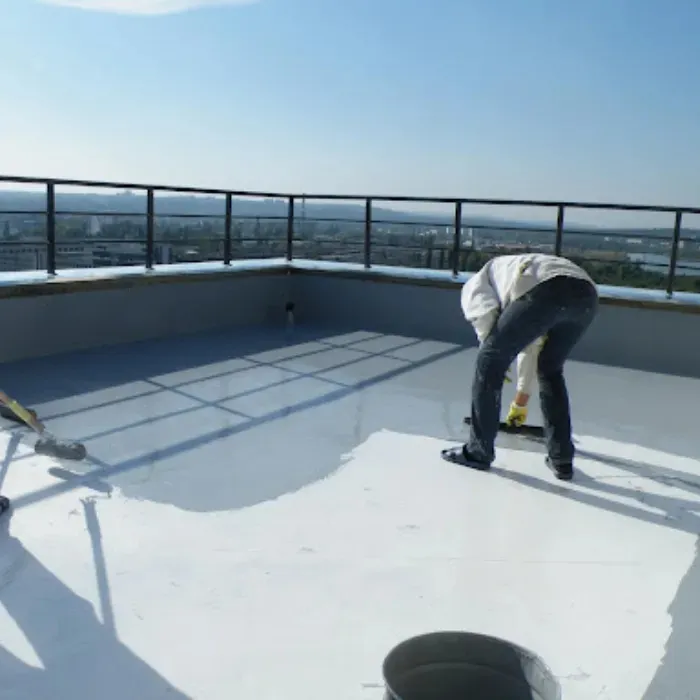
2. Waterproofing Wall-Floor Junctions
The most critical areas are where walls and floors meet. Waterproofing tapes (Pah tapes) are applied to these junctions. High-quality tapes are flexible and durable, providing long-lasting protection.
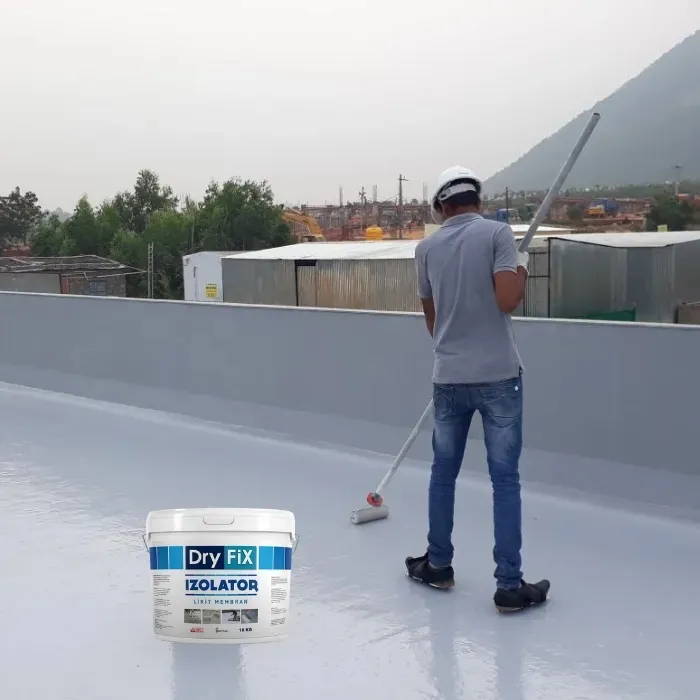
3. Application of Waterproofing Material
The selected waterproofing material is applied according to the manufacturer’s instructions. Liquid products are brushed or rolled on, while membrane-based products are adhered using specialized methods. A uniform coating is essential; no gaps should remain.
4. Final Protective Layer
After waterproofing, tiles or ceramics are installed. Water-resistant grout is applied between them to prevent water seepage and ensure long-term protection.
Important Considerations for Terrace Waterproofing
- Surface Preparation: Ensure all surfaces are clean and smooth, and cracks are sealed.
- Material Selection: Choose materials based on usage intensity, climate conditions, and floor type.
- Slope Adjustment: The terrace must be properly sloped to allow rapid rainwater drainage.
- Following Instructions: Apply waterproofing according to technical requirements and manufacturer guidelines.
Terrace waterproofing is essential for protecting structures and extending their lifespan. Insufficient or faulty waterproofing can damage floors, walls, and ceilings below. With the right materials and proper application, these risks can be completely eliminated.