




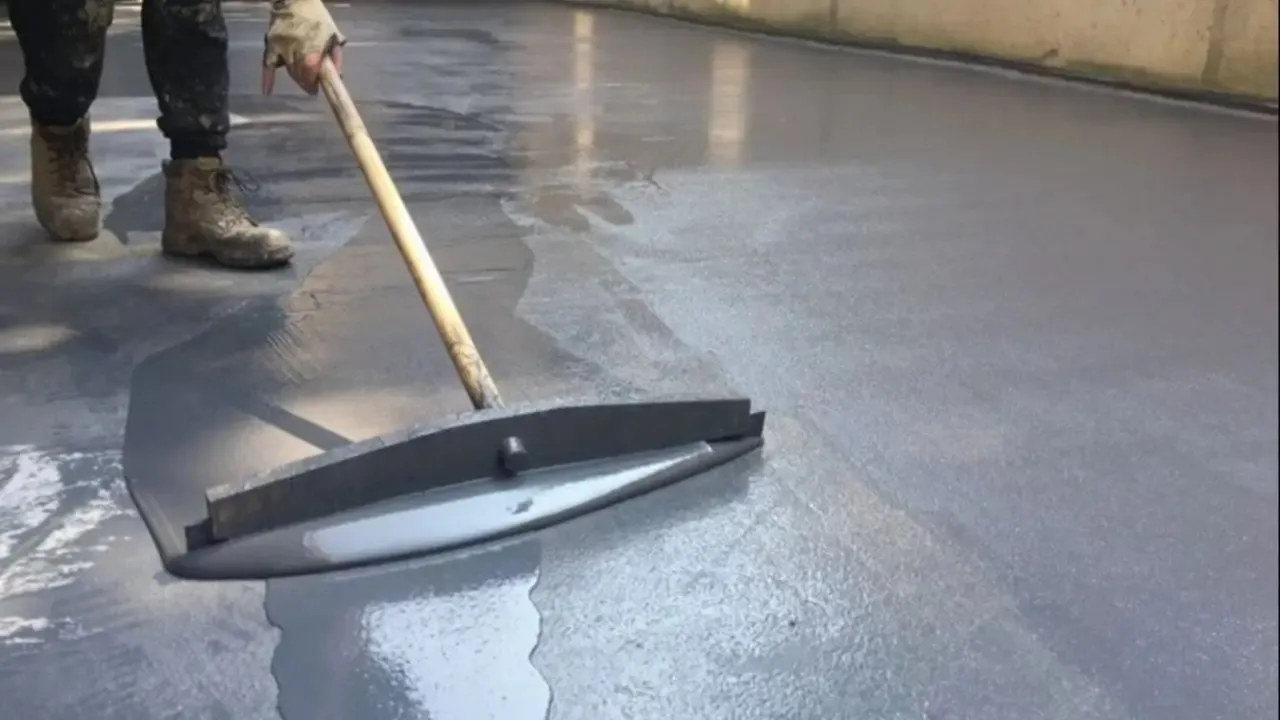
The Importance of Waterproofing
Waterproofing is not limited to protecting buildings from external environmental effects. It is also a fundamental construction element that directly influences living comfort, indoor quality, and human health. In areas exposed to water—especially wet spaces—poor or insufficient waterproofing can lead to serious structural and health-related problems over time.
Moisture and dampness caused by water leakage accelerate the deterioration of building materials and create ideal conditions for mold growth indoors. This can trigger respiratory diseases, allergies, and various other health issues. In addition, inadequate waterproofing increases heat loss, reduces energy efficiency, and raises heating and cooling costs.
For these reasons, waterproofing is not only a technical requirement but also an essential component of healthy, safe, and comfortable living environments.
1. Prevention of Structural Damage
Water is one of the most destructive elements affecting building durability. Especially in wet areas, water infiltration can gradually damage reinforced concrete elements, cause corrosion in reinforcement steel, and weaken the structural integrity of buildings.
Waterproofing eliminates these risks by preventing water from penetrating the structure and protecting load-bearing systems. This ensures both the longevity of existing buildings and the long-term safety of new constructions.
A properly designed and applied waterproofing system protects the structure from foundation to roof, preventing major future damages. As a result, repair costs are significantly reduced and the building’s economic value is preserved.
2. Protection of Health
Beyond structural safety, waterproofing plays a crucial role in protecting human health. Damp and humid environments provide ideal conditions for mold and fungal growth. These microorganisms can cause respiratory illnesses, allergies, and other health complications, especially with prolonged exposure.
Water leakage can also encourage bacterial growth, negatively affecting hygiene conditions. This risk is particularly critical in areas such as bathrooms, kitchens, and toilets.
Effective waterproofing minimizes these risks and helps create cleaner, healthier indoor environments.
3. Energy Efficiency and Savings
Moisture in wet areas reduces the performance of thermal insulation materials, increasing heat loss in buildings. This leads to higher energy consumption for both heating and cooling.
Proper waterproofing prevents the spread of moisture within the structure, improving the efficiency of insulation systems. As a result, indoor temperatures remain more stable, and overall energy consumption decreases.
In this way, waterproofing not only protects the building but also provides significant long-term energy savings.
4. Improvement of Living Comfort
Wet spaces such as bathrooms and kitchens are constantly exposed to water use. Effective waterproofing in these areas ensures hygiene, prevents unpleasant odors, and eliminates moisture-related problems.
Waterproofing does not only solve existing issues but also prevents potential future problems, significantly enhancing overall living comfort. It creates a healthier indoor environment and improves the quality of daily life.
5. Cost Efficiency and Economic Benefits
Although waterproofing may initially appear as an additional cost, it provides substantial long-term financial benefits. Repairs caused by water damage are often expensive and may require extensive renovation work.
Rebuilding walls, replacing flooring, or renewing plumbing systems can be both time-consuming and costly. Waterproofing prevents such issues in advance, reducing unexpected expenses.
Additionally, improved energy efficiency contributes to lower utility bills, offering further economic advantages.
Conclusion
Waterproofing is an essential element of modern construction. It enhances structural durability, protects human health, improves energy efficiency, and increases living comfort.
When properly applied, a waterproofing system extends the lifespan of buildings, reduces maintenance costs, and creates safe and healthy living spaces. Therefore, waterproofing is not merely an option but a long-term necessity and a smart investment.