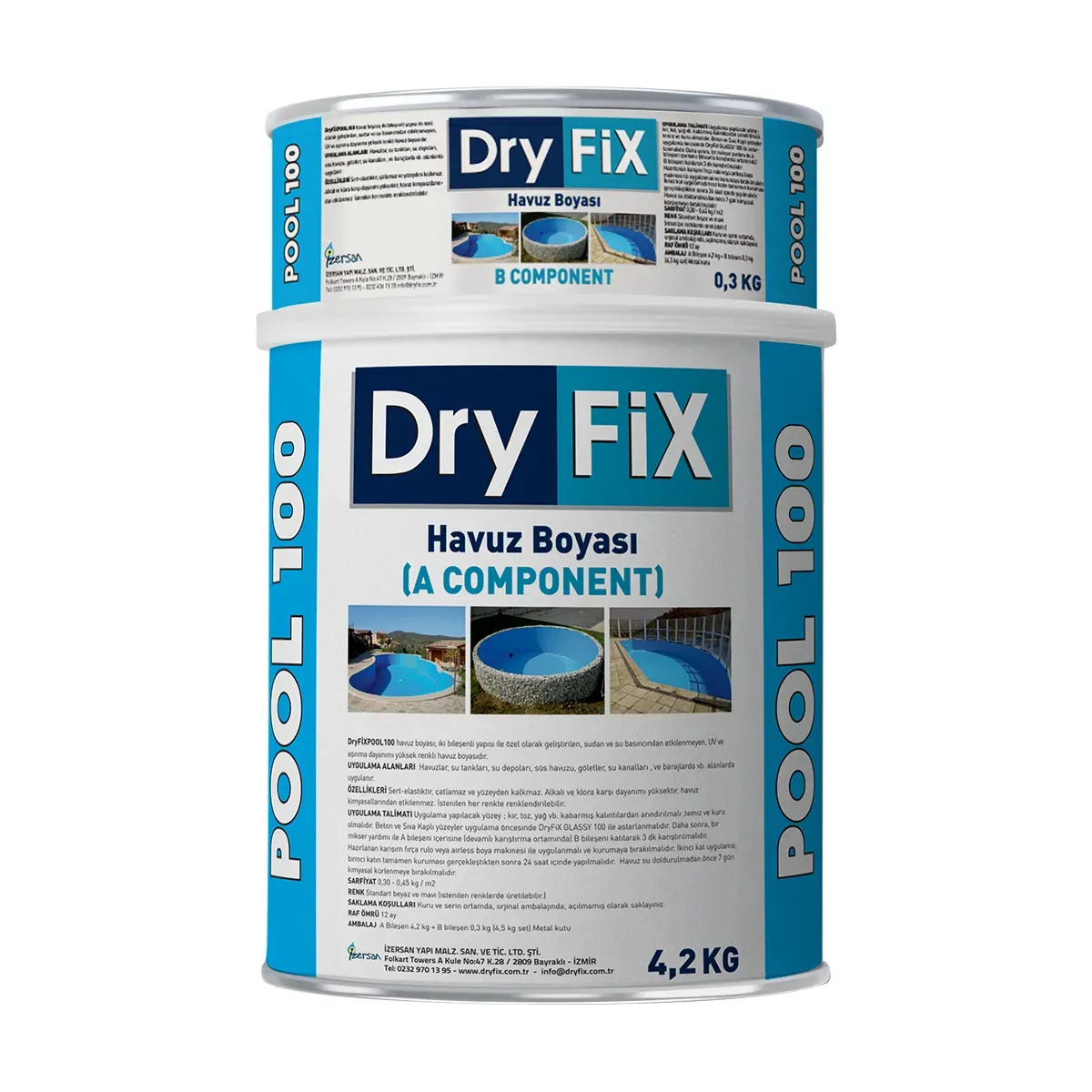




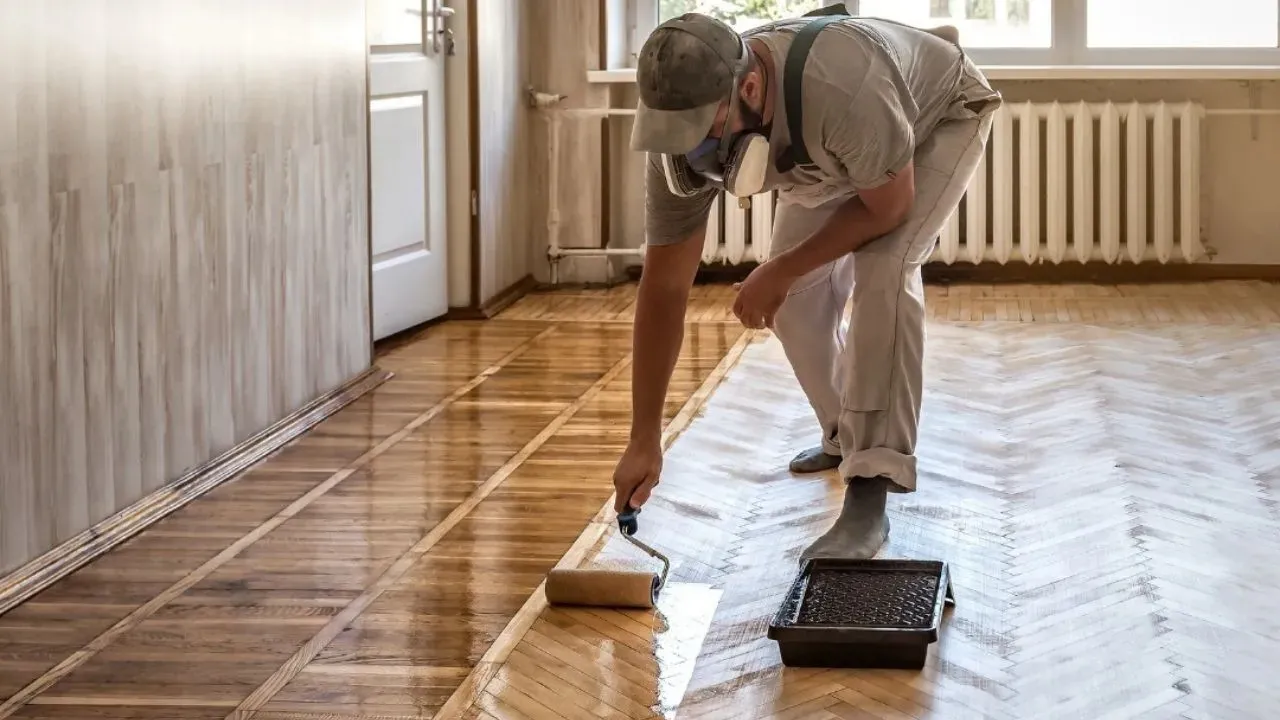
What is Liquid Glass?
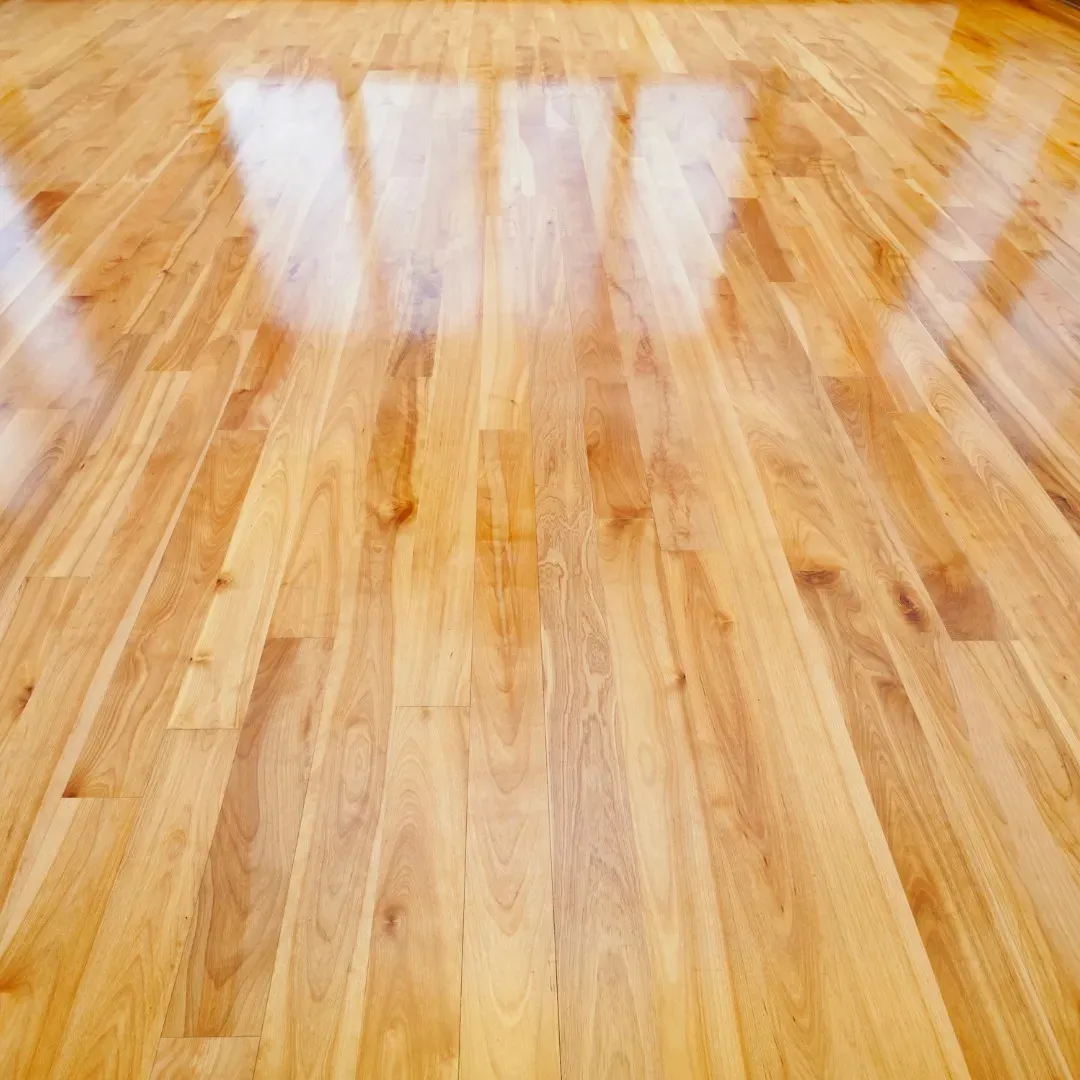
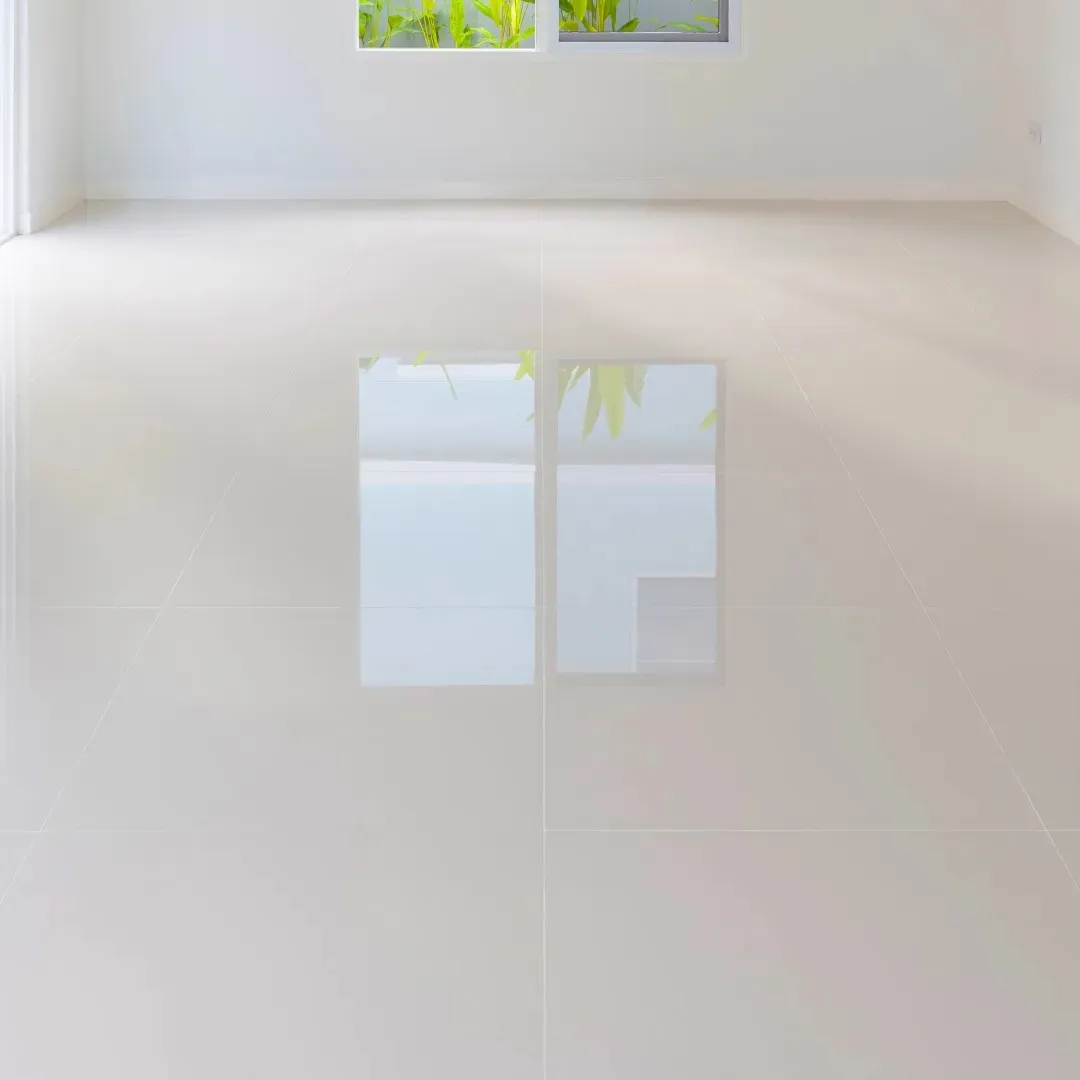
Liquid glass is a modern coating solution that, once dried, forms a thin, transparent, and durable glass layer on surfaces. This coating fully protects surfaces from water while giving them a shiny and smooth aesthetic appearance. Its ability to combine decorative appeal with protection distinguishes it from other coating methods.
Liquid glass can be used both indoors and outdoors. Its high UV resistance ensures that harmful sunlight does not damage the surface; instead, the coating protects the surface from these effects, keeping it durable for a longer time.
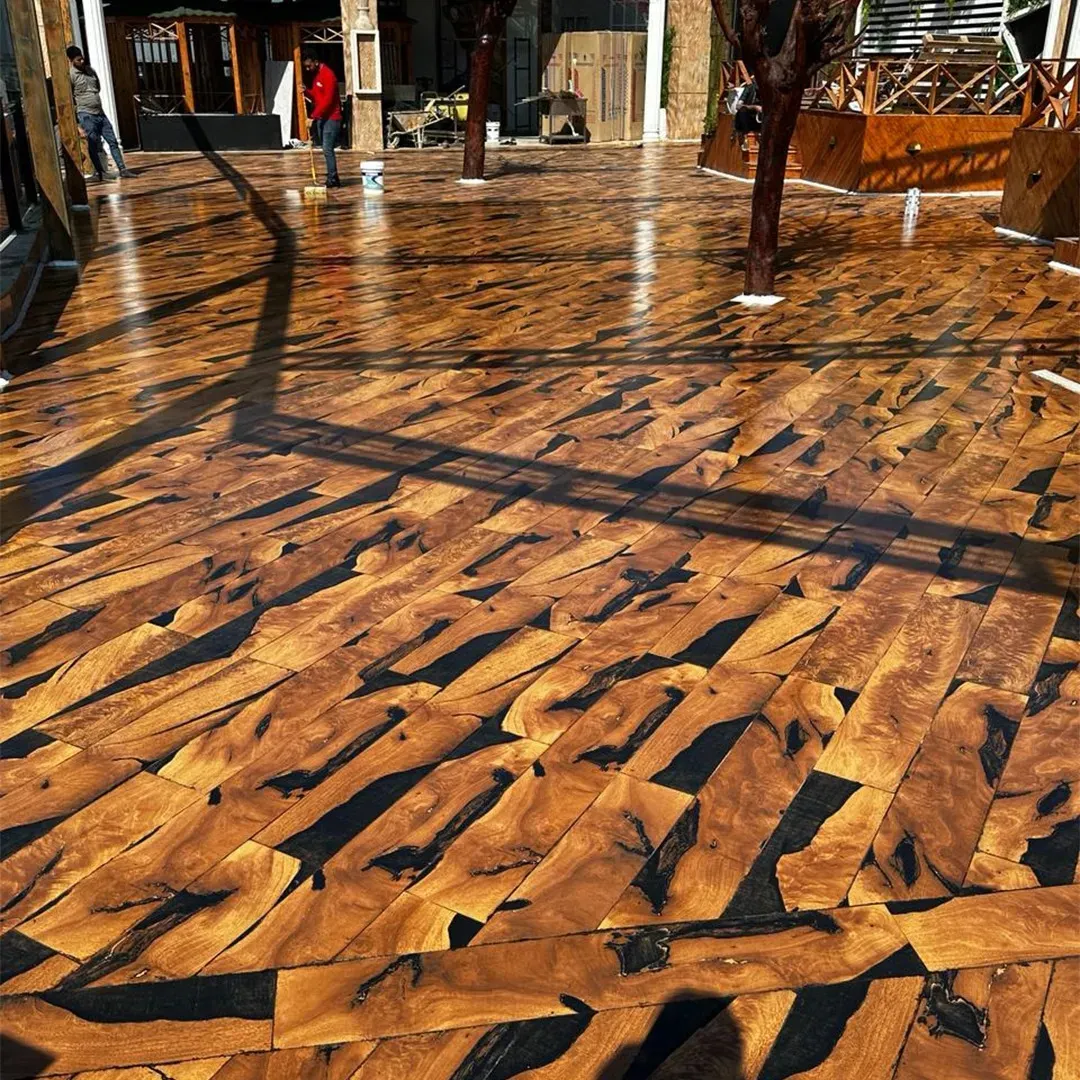
Features of Liquid Glass
- Transparency and Aesthetics: Protects the surface without altering its appearance and adds shine.
- Waterproofing: Creates a fully water-resistant layer.
- UV Resistance: Protects the surface from sunlight over long periods.
- Easy Application: Can be applied directly without a primer.
- Eco-Friendly: Contains no harmful chemicals and is safe for the environment.
- Durability: Resistant to physical impacts, chemicals, and wear.
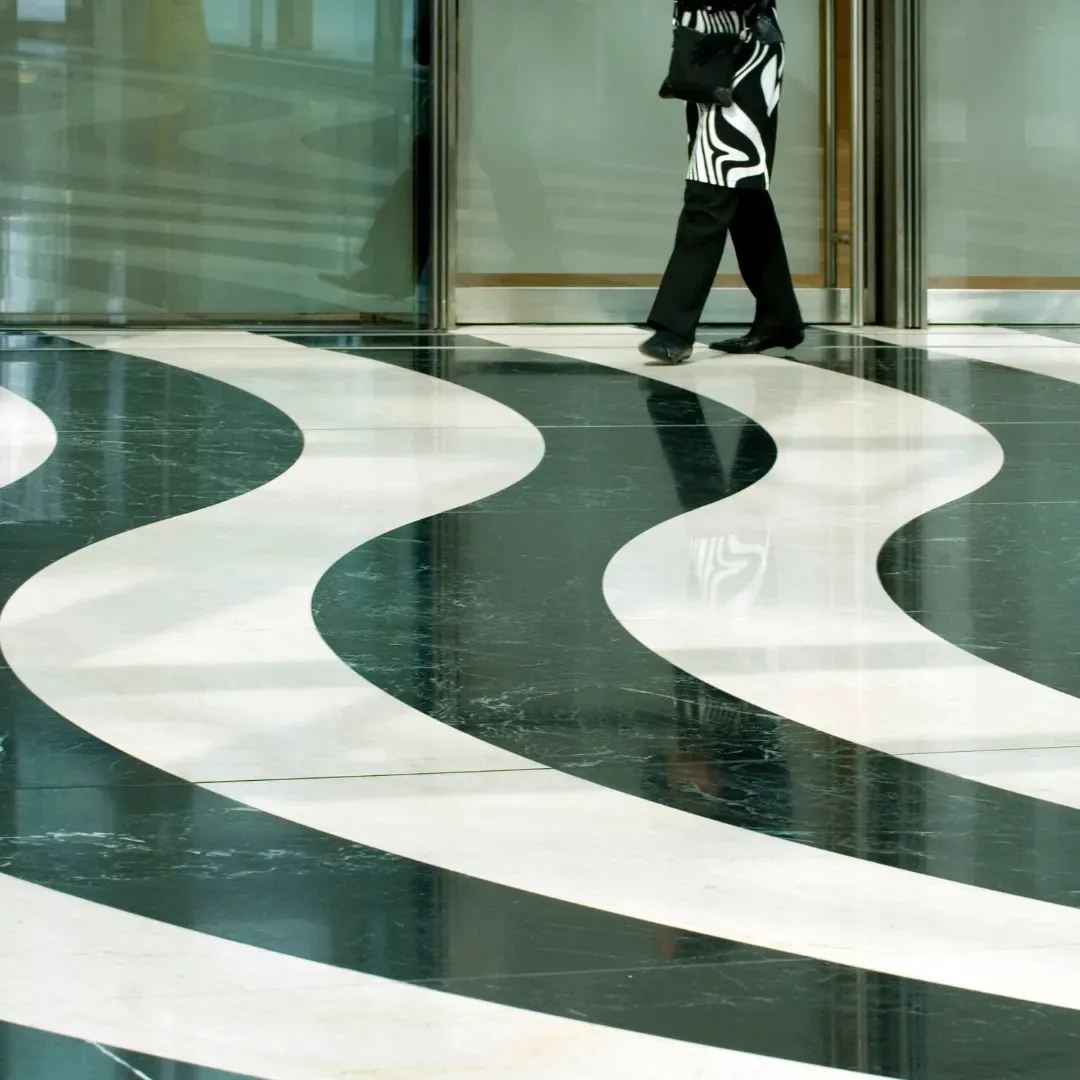
How to Apply Liquid Glass
Liquid glass coating consists of two components, labeled A and B. Before application, these components are carefully mixed according to the manufacturer’s recommended ratios. Once properly prepared, the mixture is ready for use quickly.
Application Steps:
- Surface Cleaning: Remove dust, dirt, grease, rust, and all residues from the surface. A clean surface is essential for proper adhesion of liquid glass.
- Mixture Preparation: The prepared mixture is usable for about 1 hour. Follow manufacturer instructions closely to avoid waste.
- Environmental Conditions: Floor temperature should be at least 5°C, ambient temperature between 15–35°C. Ambient humidity should be below 80%.
- Application Method: Apply with a roller, brush, or spray gun depending on the surface area. After the first layer dries, apply the second layer. At least two layers are recommended for durability.
- Layer Drying Time: Allow approximately 24 hours between layers. Do not apply the next layer before complete drying.
- Mixing Ratios: For example, in GLASSY 100, usually 7 parts of component A and 1 part of component B are used. Always check product instructions before application.
Applications of Liquid Glass
Liquid glass has a wide range of uses due to its waterproof and transparent properties:
- Balconies and Terraces: Protects against sun, rain, snow, and wind. Prevents deformation and water leakage over time.
- Bathrooms and Toilets: Fills gaps between tiles to prevent water from seeping to lower layers. Maintains a clean and glossy surface.
- Swimming Pools: Seals minor cracks and gaps for full waterproofing. Prevents water loss and ensures durability.
- Furniture and Stone Surfaces: Provides extra protection for furniture and stone flooring. Extends the lifespan of surfaces exposed to external conditions.
- Industrial Areas: Suitable for factory floors, laboratories, and storage areas.
Advantages of Liquid Glass
- Provides complete waterproofing and prevents leaks.
- Resistant to physical impacts and chemicals.
- Adds a shiny, aesthetic appearance to surfaces.
- UV-resistant and withstands high temperatures.
- Easy to clean and hygienic.
- Environmentally friendly and free from harmful substances.
- Wide range of applications.
- Long-lasting, reduces maintenance costs.
Price Information
The prices of liquid glass products vary depending on the type and quantity:
- For example, GLASSY 100 products range between 750 TL and 2150 TL.
- Prices may change depending on market conditions and order volume.