




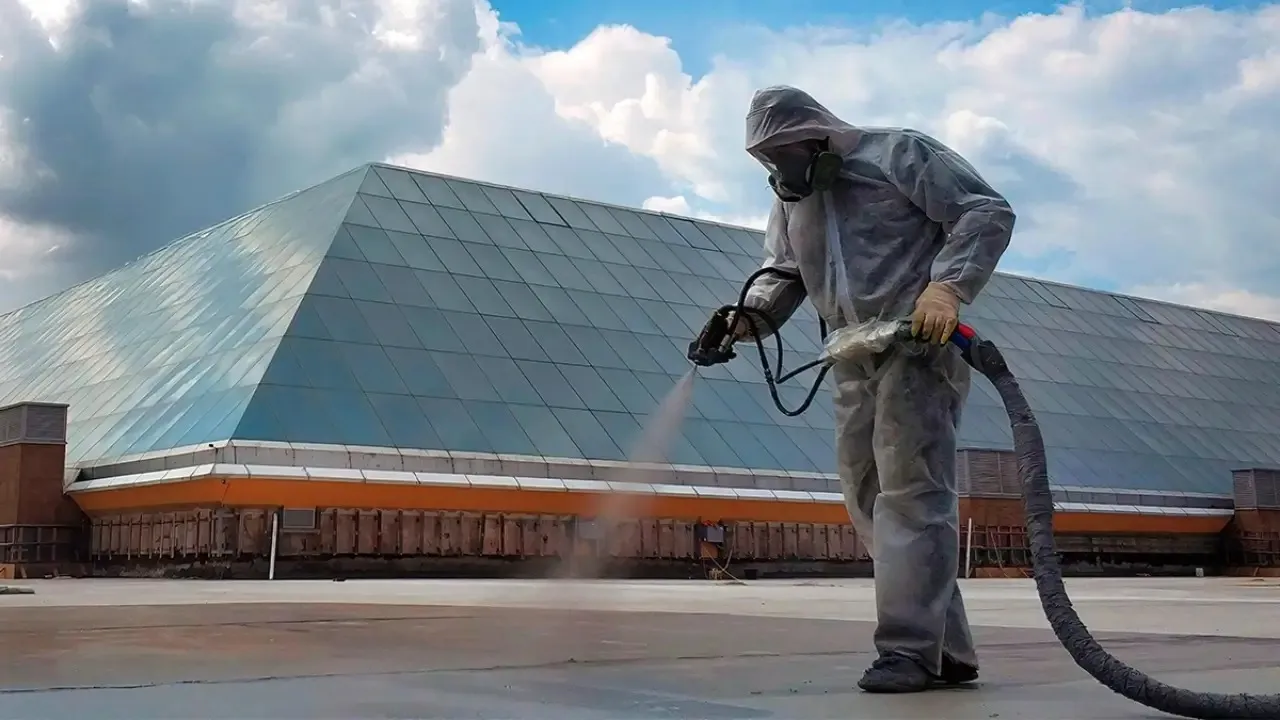
How Often Should Waterproofing Be Renewed?
The question of how often waterproofing should be renewed cannot be answered with a single fixed number. The service life of a waterproofing system varies depending on several key factors, including the application area, the type and quality of materials used, the environmental conditions the structure is exposed to, and the level of maintenance carried out over time.
For this reason, determining the correct renewal period requires a detailed evaluation of all these variables together. In this article, we will explain the main factors that affect the lifespan of waterproofing systems and the typical renewal intervals for different parts of a building.
Key Factors That Determine the Lifespan of Waterproofing
The durability of a waterproofing system is not constant. The following factors directly influence how long the system will remain effective:
1. Quality of Materials Used
The quality of waterproofing materials is one of the most critical factors affecting system longevity.
Low-quality, cheap, or technically insufficient materials may lose their effectiveness within just a few years. In contrast, advanced products such as polyurethane, polyurea, acrylic, and crystalline systems can deliver high performance for 10 to 25 years when properly applied.
Products that are CE-certified, laboratory-tested, and manufactured according to technical standards generally provide significantly longer service life and higher reliability.
2. Application Quality
Even the highest-quality waterproofing material will fail prematurely if applied incorrectly.
Common application mistakes include:
- Improper surface preparation
- Inadequate moisture or dust control
- Incorrect layer thickness
- Ignoring curing and waiting times between coats
Such errors can reduce the lifespan of the system by up to 50% or more.
Proper application is as important as the material itself in determining long-term performance.
3. Climate and Environmental Conditions
The climate where the structure is located plays a major role in waterproofing durability.
Examples include:
- Roof surfaces reaching 60–70°C in summer
- Freeze–thaw cycles during winter
- Constant humidity in coastal or rainy regions
- Heavy rainfall exposure
These harsh environmental conditions can cause materials to lose elasticity, crack, or deteriorate over time.
4. Mechanical Stress and UV Exposure
Waterproofing systems used on roofs, terraces, and parking areas are constantly exposed to UV radiation and mechanical нагруз.
If the material is not UV-resistant, it may:
- Harden over time
- Crack on the surface
- Lose adhesion and peel off
Additionally, pedestrian or vehicle traffic can significantly accelerate wear and tear.
5. Regular Maintenance and Inspection
Regular inspection is essential for extending the lifespan of waterproofing systems.
Blocked drains, small cracks, or surface damage—if left unnoticed—can quickly lead to system failure.
Routine maintenance helps detect minor issues early and prevents costly structural damage in the future.
Typical Renewal Intervals by Application Area
Different parts of a building have different waterproofing lifespans:
Roofs and Terraces
These are the most exposed areas and therefore the most vulnerable.
- Polyurethane / polyurea systems: 10–15 years
- Bituminous membranes: 6–10 years
- Average recommended renewal: 8–10 years
Wet Areas (Bathrooms, Toilets, Kitchens)
These areas are protected from external weather conditions but are constantly exposed to internal moisture.
With high-quality applications:
- Lifespan can reach 15–20 years
- However, leaks are often detected late, requiring full removal of surface finishes during renovation
Foundations and Basements
These areas are exposed to groundwater pressure and soil moisture.
- Recommended inspection interval: every 10 years
- Suggested renewal period: 10–15 years
Pools and Water Tanks
These structures are permanently exposed to water and require specialized materials.
- With proper application: 10–12 years of service life
- Chemical exposure and cleaning agents may shorten durability
Signs That Waterproofing Needs Renewal
The following symptoms indicate that a waterproofing system may no longer be effective:
- Moisture stains on walls or ceilings
- Paint blistering or peeling
- Mold formation between tiles
- Musty odors in basements
- Rising damp from floors
- Water pooling or surface cracks on terraces
When these signs appear, it is important not to rely only on surface repairs, but to inspect and, if necessary, renew the underlying waterproofing layer.
Important Considerations During Renewal
When renewing waterproofing systems, the following steps are essential:
- Completely remove old coatings
- Properly clean and prepare the surface
- Reinforce critical areas such as joints and corners
- Use more advanced modern materials when possible
- Ensure application is done by professionals
- Perform a water tightness test after completion
Recommendations for Long-Lasting Waterproofing
- Do not choose materials based only on price
- Prefer UV-resistant and elastic products
- Never neglect surface preparation
- Use protective finishes on terraces when possible
- Inspect waterproofed areas at least once a year
- Repair small defects immediately
Conclusion
There is no single fixed interval for waterproofing renewal. However, in general, waterproofing systems have an average lifespan of 8 to 15 years.
This duration can be extended or reduced depending on material quality, application standards, and maintenance practices. Early intervention prevents serious structural damage and significantly reduces repair costs