



What is Crystalline Waterproofing?
Crystalline waterproofing is a specialized method that penetrates the pores of concrete and forms a water-resistant structure through chemical reactions. It fills microscopic capillary voids within concrete blocks, preventing water leakage. When the waterproofing material comes into contact with water, it crystallizes, expands in volume, and completely fills the concrete's pores. This makes the concrete both waterproof and self-healing, as even micro-cracks inside are sealed.
Crystalline waterproofing works in both positive and negative directions. Therefore, it can block water coming directly into the structure as well as prevent moisture from penetrating from the outside. It also protects the iron and other metal reinforcements inside concrete from corrosion.
How Does Crystalline Waterproofing Work?
Crystalline waterproofing works differently from conventional waterproofing. Traditional methods create a physical barrier between water and concrete to prevent penetration, whereas crystalline waterproofing penetrates the concrete pores and reacts when exposed to water. Special minerals in the material absorb water, expand, and crystallize, forming an impermeable layer.
This system not only provides waterproofing but also fills internal voids in the concrete, increasing structural durability. It is commonly used in foundations, basement walls, swimming pools, large aquariums, and metro tunnels.
Advantages of Crystalline Waterproofing
1. Deep Protection
The material penetrates deep into the concrete pores, providing thorough protection. Water and moisture cannot seep into the concrete.
2. Increased Effectiveness
Special minerals in the material expand and crystallize upon contact with water. This process repeats with each leak, filling voids and significantly improving waterproofing efficiency. The structure becomes highly impermeable.
3. Crack Repair
Minerals that expand when exposed to water fill micro-cracks in the concrete. This continuous process allows concrete to self-heal. It prevents corrosion and prolongs the lifespan of the structure. Additionally, it contains no chemicals like chlorine that cause corrosion.
4. Chemical Resistance
The material is highly resistant to chemicals. While this feature may not be crucial in residential areas, it is essential in industrial environments, protecting both the waterproofing material and the concrete.
5. Environmentally Friendly
Crystalline waterproofing contains no toxic or environmentally harmful substances and poses no risk to human health, making it a sustainable solution.
6. Easy Application
- New concrete: The waterproofing additive is mixed directly into the concrete, eliminating the need for additional waterproofing.
- Existing concrete: A single-component cement-based crystalline waterproofing mortar can be applied with a trowel to achieve waterproofing.
Application Methods of Crystalline Waterproofing
1. Crystalline Waterproofing Additive
- Additives come in liquid or powder form.
- They are added to the concrete mix at rates of 2–15%.
- Provides built-in waterproofing. Works both positively and negatively, does not cause corrosion, and is compatible with all cement-based products.
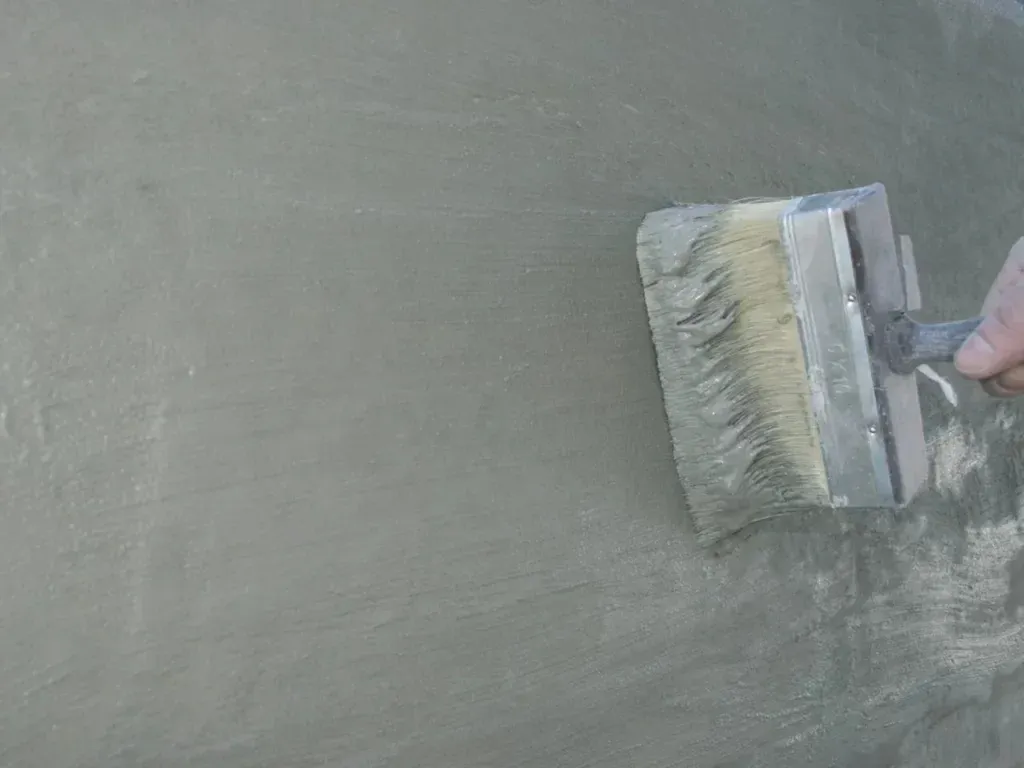
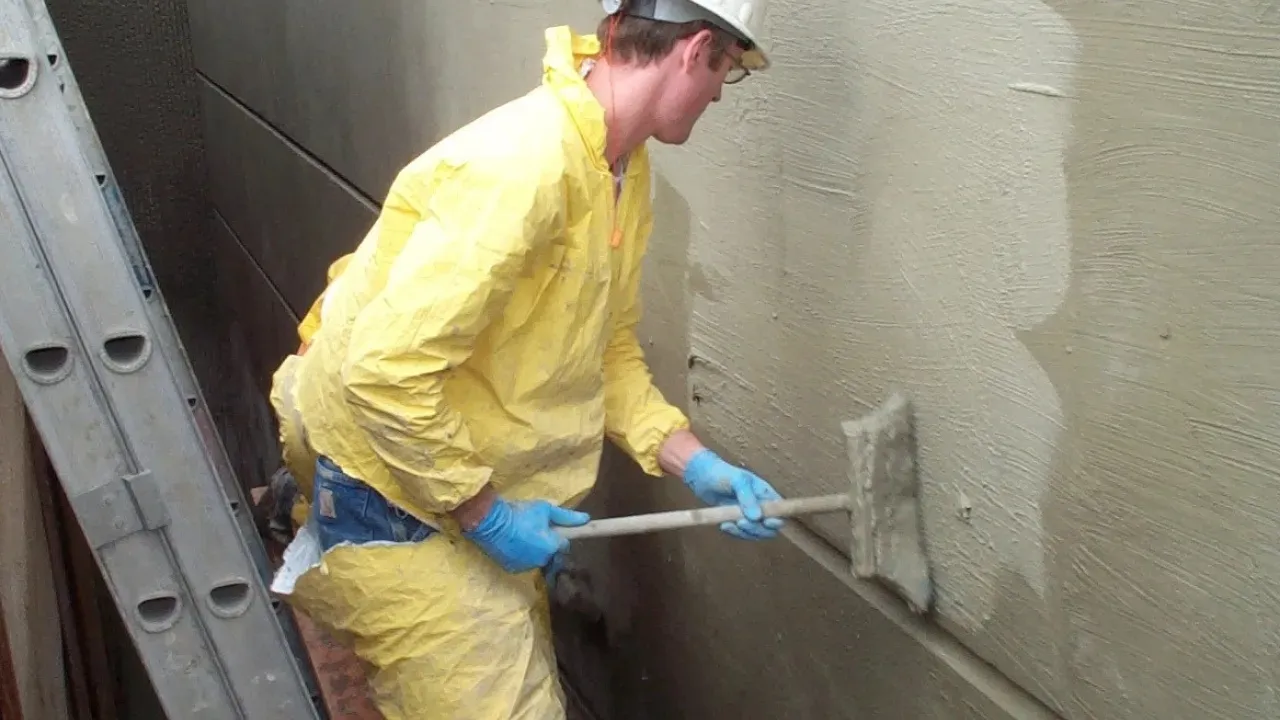
2. Crystalline Waterproofing Mortar
- The existing concrete surface is cleaned, and weak points are repaired.
- Mortar is mixed with the appropriate amount of water and homogenized.
- Applied in two layers. The first layer is applied in one direction (e.g., vertical), and the second layer is applied perpendicular (e.g., horizontal).
Areas of Use
- Foundation and basement walls
- Swimming pools and concrete water tanks
- Metro tunnels
- Bridges
- Industrial structures requiring chemical and water resistance
- Elevator shafts
- Structures exposed to seawater
- Ground floors and retaining walls
- Wastewater and treatment plants
- Raft foundations
Crystalline waterproofing is highly effective in both positive and negative applications. Unlike other materials, it is particularly reliable for negative waterproofing, as minerals crystallize upon moisture penetration and block water from entering the concrete.