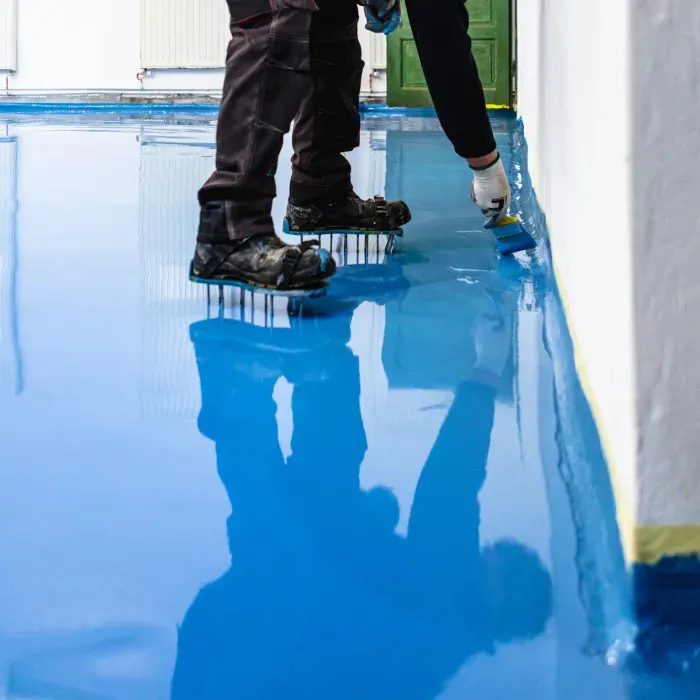




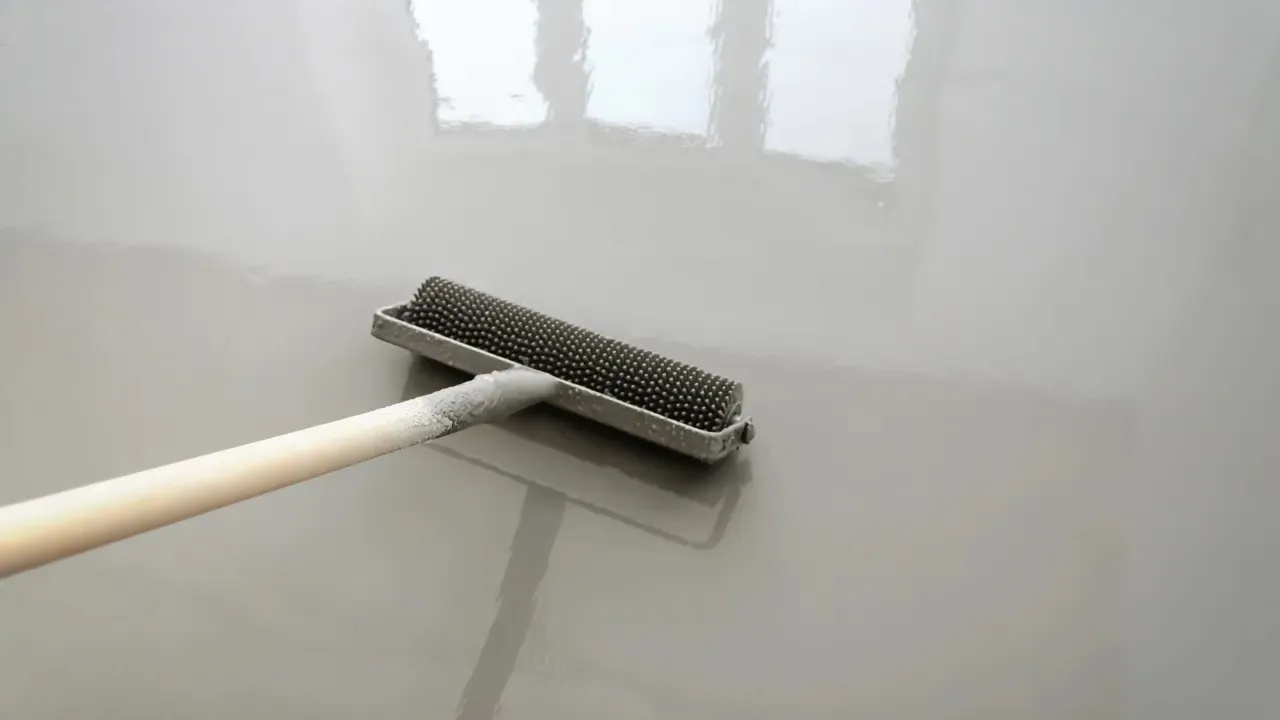
What is Epoxy?
Epoxy is a polymer composed of two components, functioning as both an adhesive and a coating material. One component is the epoxy resin (or paint), while the other is a hardener used as a curing agent. When combined in specified proportions, these components cross-link to form a thermosetting polymer.
Thermosetting is the core characteristic of epoxy. This term refers to plastics that harden when heated and retain their final form. When the epoxy resin and hardener are mixed, the material cures in place, providing both decorative appearance and functional strength.
Epoxy enhances surfaces with a glossy, vibrant finish and has numerous properties:
- High adhesion: Bonds effectively to plastic, wood, metal, and concrete.
- Mechanical strength: Resists deformation under high pressure and wear.
- Chemical resistance: Protects against acids, solvents, and alkalis.
- Water and moisture resistance: Suitable for wet and humid environments.
- Dimensional stability: Minimal shrinkage during polymerization.
- Thermal resistance: Withstands high temperatures depending on resin and hardener.
- Electrical insulation: Can be used in high-voltage areas.
The exact properties may vary depending on the product type and curing agent used.
Uses of Epoxy
Epoxy serves both as an adhesive and a coating material.
As an adhesive:
- Bonds strongly to metal, glass, ceramic, concrete, marble, and plastic.
- Creates durable, secure connections for a wide range of applications.
As a coating:
- Protects surfaces and provides decorative finishes.
- Covers surface imperfections and resists scratches, chemicals, impact, and heat.
- Produces a smooth, glossy, aesthetically pleasing surface.
For molding and casting:
- Can be applied in liquid form and cures quickly.
- Ideal for creating molds of objects, including jewelry, art pieces, and decorative items.
- Can be colored to produce visually appealing molds.
Waterproofing:
- Suitable for areas at risk of water leakage, including pools.
Electrical insulation:
- Used in the electrical sector for insulation purposes, creating safe and isolated areas.
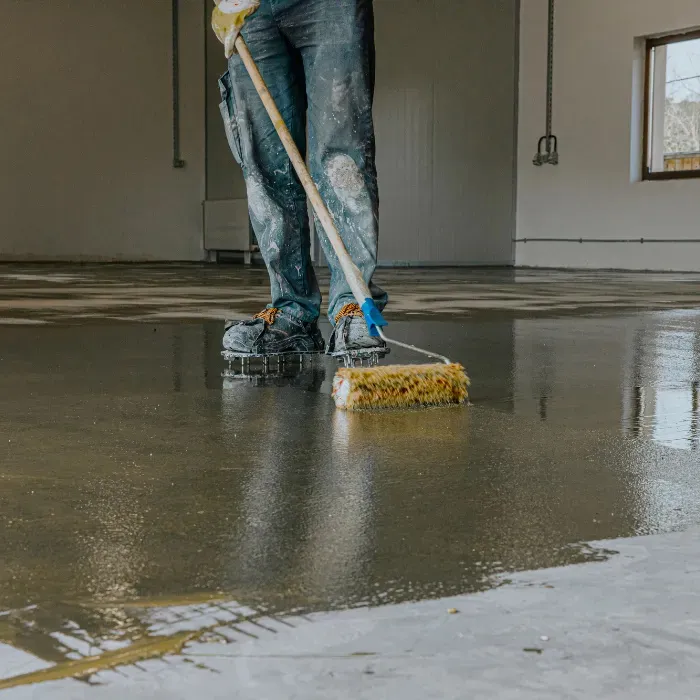
What is Epoxy Flooring?
Epoxy flooring is a durable, long-lasting, and visually appealing floor coating made using epoxy resin.
- Fills cracks and surface defects.
- Extends the life of the structure and eliminates water leakage risks.
- Provides a smooth, glossy, decorative finish.
- Proper resin and hardener selection ensures maximum performance.
- Provides chemical and physical resistance.
- Easy to clean and hygienic.
How to Apply Epoxy Flooring
- Surface Cleaning: Thoroughly clean the floor to ensure the primer adheres properly.
- Primer Application: Apply the epoxy primer evenly over the floor.
- Epoxy Application: Mix the two components in correct proportions and apply to the surface. Usually applied in two coats for durability.
- Professional Application: Expert handling ensures high-quality results and prevents errors.
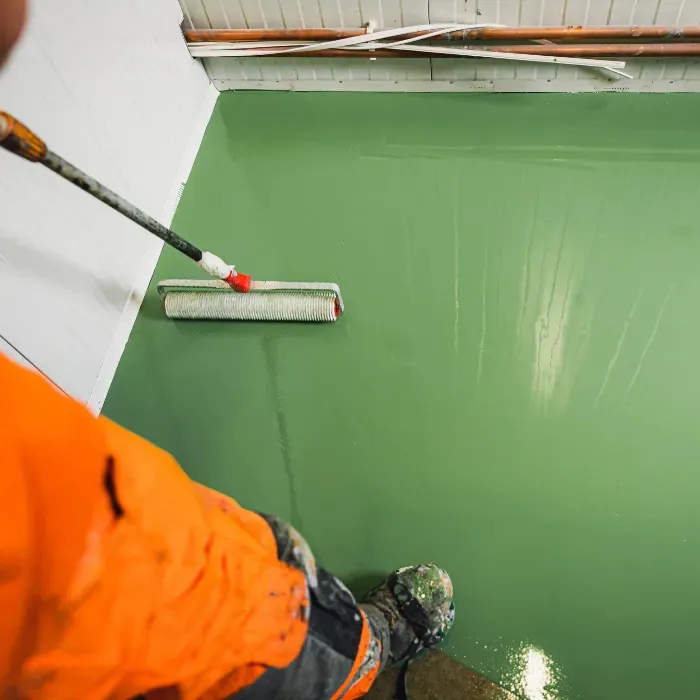
Where is Epoxy Used?
- Industrial Areas: Factories, warehouses, production facilities.
- Commercial Areas: Stores, restaurants.
- Healthcare Facilities: Hospitals and clinics.
- Automotive Industry: Vehicle parts, repairs, and coatings.
- Art: Jewelry, decorative items, and mold making.
- Furniture: Coating outer or top surfaces for decorative effects.
- Construction: Waterproofing floors, filling cracks, creating durable smooth surfaces.
Epoxy Pricing
- DryFix PRO EFFECT 2.5 kg: 2,950 TL
- DryFix PRO EFFECT 0.5 kg: 790 TL
- Solvent-free primer 1 kg: 890 TL
- Solvent-free primer 4.5 kg: 2,410 TL
Prices may vary depending on inflation and market conditions. Products should be chosen according to the application area.
Example: For floor coating, first apply DryFix DFC 100 (Multi-Purpose Primer), then DryFix PRO EFFECT (Liquid Marble Epoxy Coating).
For detailed product information, application instructions, and technical support, visit our website or contact us directly.