



Polyurethane Injection for Waterproofing and Crack Repair – Detailed Guide
The durability and lifespan of structures are directly related to measures taken to prevent water from seeping into materials such as concrete or stone. Cracks, cold joint gaps, and microscopic pores within the structure can allow water and moisture to penetrate, leading to serious damage over time. Polyurethane injection emerges as a highly effective solution, offering both durability and long-lasting performance.
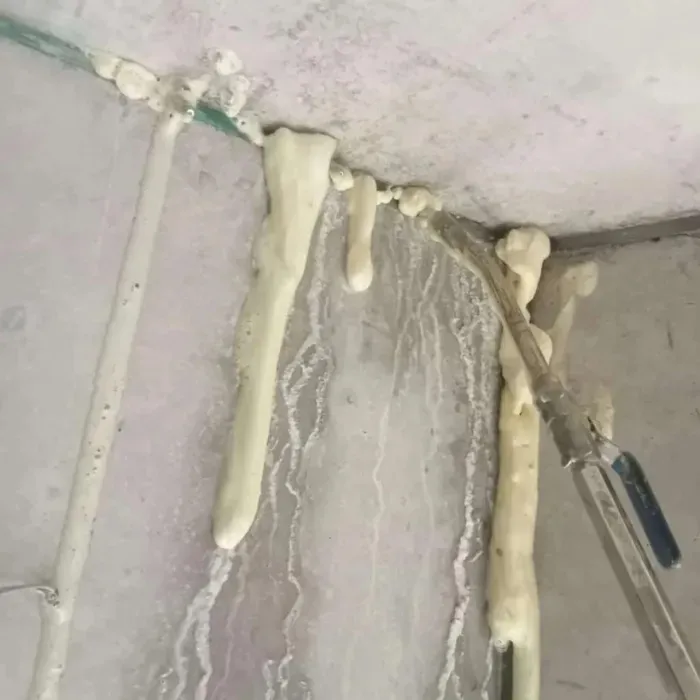
Polyurethane injection is a waterproofing method applied to fill cracks, voids, and micro-pores in concrete or other building materials. The polyurethane resin used in this method rapidly expands 20–25 times its original volume when it comes into contact with water, completely filling voids. This ensures that the most vulnerable points in a structure, such as cracks and construction joint gaps, are effectively protected.
What is Polyurethane Injection?
Polyurethane injection is a specialized method for waterproofing structures. The principle involves injecting polyurethane-based resin into cracks, voids, or microscopic pores. Due to its flexible and durable nature, the resin adheres strongly to surfaces like concrete or stone. When it comes into contact with water, it quickly expands, filling all gaps and fully preventing water leakage.
This method is suitable for a wide range of applications, from small-scale residential buildings to large projects such as metro tunnels, bridges, and industrial facilities. It is also effective for sealing cracks that are invisible or inaccessible from the outside.
Technical Properties of Polyurethane Injection
The popularity of polyurethane injection is largely due to its technical advantages. Key features include:
- High Flexibility: Polyurethane resin can accommodate structural movements and vibrations. It remains functional despite settlements or deformations over time.
- Strong Adhesion: The resin adheres strongly to surfaces such as concrete, stone, and metal, ensuring long-lasting performance.
- Rapid Reaction: The resin quickly expands upon contact with water, filling gaps immediately. The curing process is very short, allowing rapid results.
- Waterproofing: Once cured, the resin becomes completely impermeable, preventing leakage.
- Volume Expansion: When reacting with water, the resin expands 20–25 times, effectively filling micro-cracks and pores.
- Long Lifespan and Durability: Polyurethane injection remains effective for many years, extending the life of the structure.
Steps for Applying Polyurethane Injection
Polyurethane injection requires specialized equipment and careful execution. The application steps include:
- Crack and Leak Identification: Determine the exact location of leaks and cracks before starting. Accurate detection is crucial for effectiveness.
- Drilling Holes: Drill holes at intervals of 30–40 cm along the crack. The holes are angled at 45 degrees to reach larger areas inside the concrete.
- Cleaning the Holes: Use high-pressure air to remove dust, debris, and concrete fragments from the holes. A clean surface ensures proper adhesion of the resin.
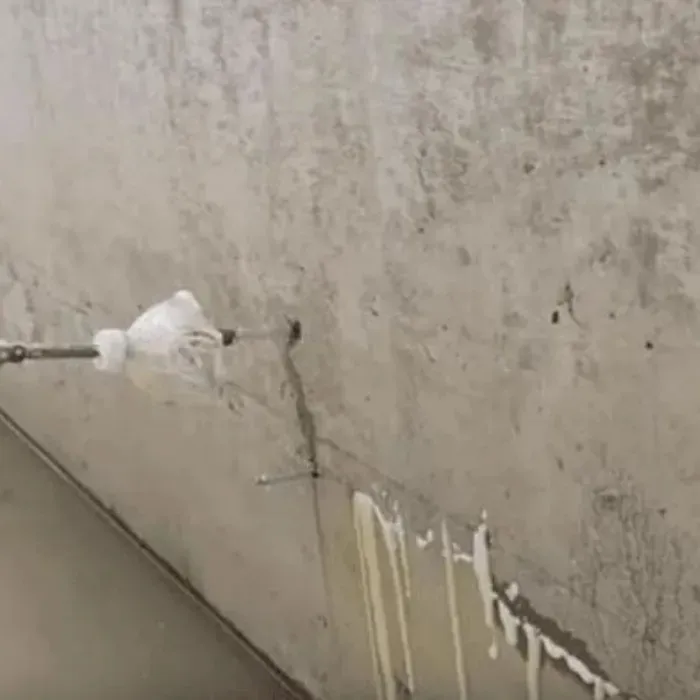
- Installing Nozzles: Insert steel dowels and injection ports (nozzles) into the drilled holes.
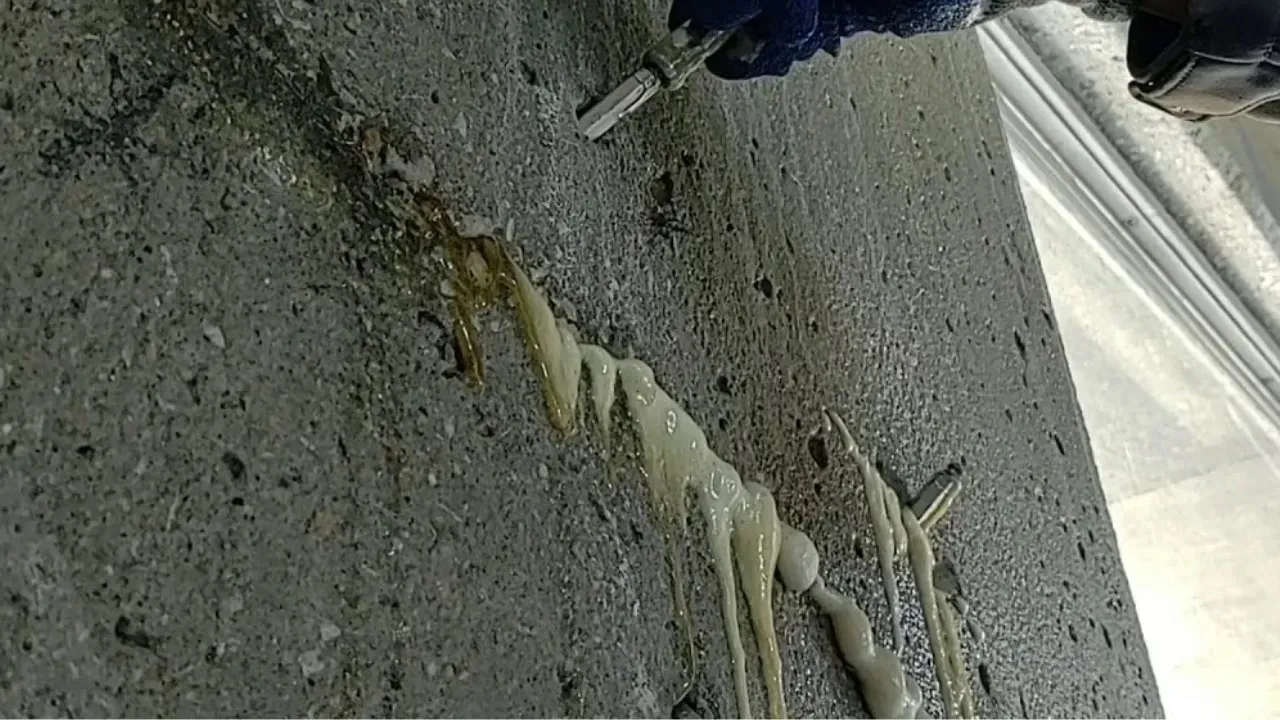
- Injecting Resin: Place the injection equipment’s tube into the nozzles and inject polyurethane-based resin into the concrete. Continue injection until resin emerges from all designated points.
- Volume Expansion and Curing: The resin reacts with water, expands to fill voids, and cures within approximately 120 seconds, completing adhesion.
- Inspection and Testing: After injection, test the structure for leakage. Apply additional resin if necessary.
Applications of Polyurethane Injection
Polyurethane injection is used not only for waterproofing but also for structural strengthening and industrial applications. Typical uses include:
- Sealing concrete cracks
- Filling cold joint gaps
- Waterproofing foundations and underground retaining walls
- Sealing sewer systems and infrastructure
- Soil stabilization and structural reinforcement
- Filling micro-cracks in tunnels, bridges, and large concrete projects
DryFix DF PUR INJECTION 2K for Polyurethane Injection
DryFix DF PUR INJECTION 2K stands out for its strong adhesion to both wet and dry surfaces. This two-component, solvent-free, non-toxic polyurethane resin is resistant to biological degradation by microorganisms.
Application Areas:
- Expansion joints
- Foundations
- Underground retaining walls
- Sewer systems and similar infrastructure
The application uses a catalyst known as Catalyst 10, added at 2–10% to initiate the reaction with water. The result is a non-shrinking, dimensionally stable foam that provides waterproofing and fills cracks effectively.
Advantages of Polyurethane Injection
- Fast application and short curing time
- High flexibility and durability
- Effective volume expansion upon water contact
- Strong adhesion to concrete and metal surfaces
- Extends the service life and strengthens structures
- Seals hidden or inaccessible cracks
Polyurethane injection is now one of the most preferred methods for concrete waterproofing and crack repair. Using products like DryFix DF PUR INJECTION 2K, invisible cracks can be sealed, water leakage prevented, and the lifespan of structures significantly extended.