




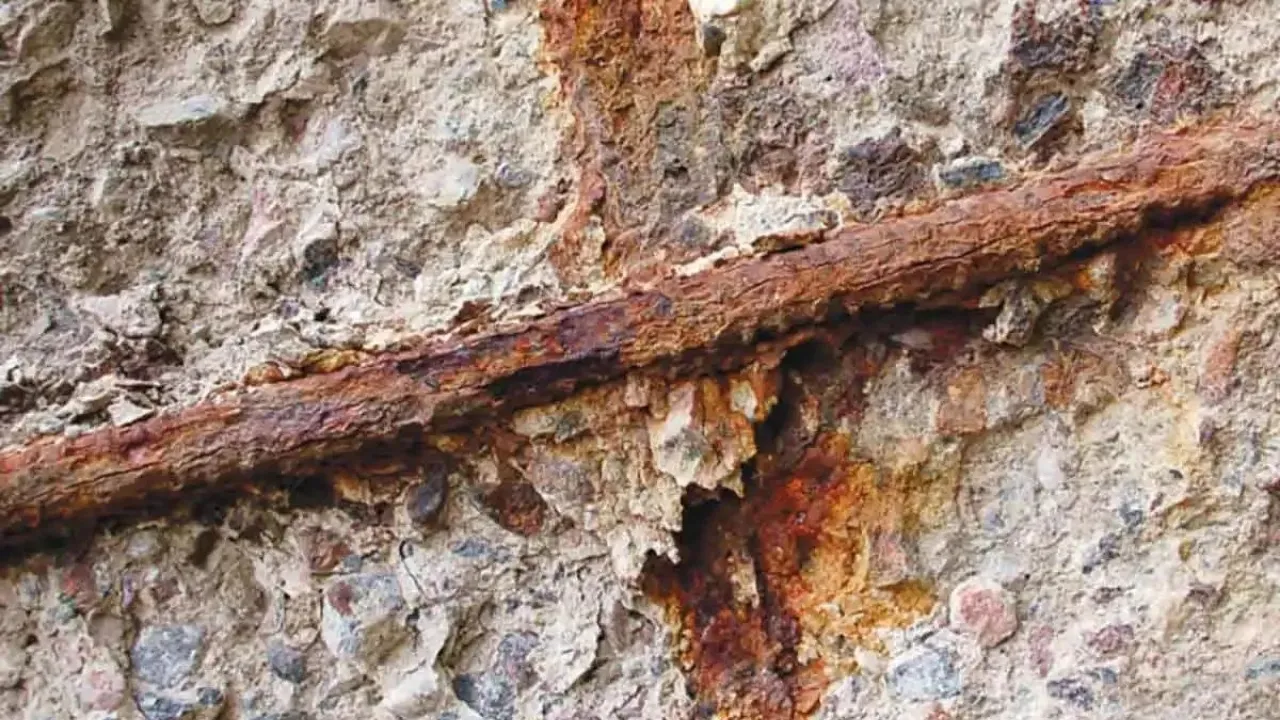
What is Corrosion?
Corrosion can occur wherever metals are present. In buildings, the steel reinforcements within structural elements are common points where corrosion occurs. When corrosion affects the steel in reinforced concrete, it weakens the load-bearing capacity of the structure and shortens the building's lifespan. Using the correct insulation and protective materials can effectively prevent this risk.
How Does Corrosion Occur?
Corrosion occurs when a metal reacts with oxygen, either chemically or electrochemically. Anodic and cathodic reactions on the metal surface lead to the formation of new compounds. For example, when iron combines with oxygen, it forms iron oxide, commonly known as rust.
Environmental factors like humidity, salty water, and acidic conditions accelerate these reactions, causing metals to lose their properties much faster.
Types of Corrosion
- Galvanic Corrosion: Occurs when two different metals are electrically or physically connected in the presence of an electrolyte. Common in marine applications, buildings, and pipelines.
- Uniform Corrosion: Happens evenly across the metal surface. It often goes unnoticed but reduces the metal's thickness and strength.
- Intergranular Corrosion: Appears along the grain boundaries of metals, often after heat treatment in stainless steels and alloys. It weakens mechanical properties and can cause cracks.
- Electrochemical Corrosion: Caused by anodic and cathodic reactions in an electrochemical cell. Common in moist environments where electrical conductivity is present, such as ships, underwater structures, and pipelines.

Corrosion in Buildings
Corrosion in buildings, or concrete corrosion, refers to the deterioration of steel reinforcements due to environmental factors. Columns, beams, walls, and floors can experience rusting, which reduces their load-bearing capacity. This can compromise structural safety and increase seismic risk. Visible cracks and other deformations also affect aesthetics.
Factors Causing Corrosion in Buildings
- Water: A critical electrolyte that accelerates rusting when concrete becomes wet. Sources include rainwater, plumbing leaks, and groundwater.
- High Humidity: Moisture penetrates the concrete, allowing steel to react with oxygen more quickly.
- Carbonation of Concrete: Low-quality concrete is more porous. Carbon dioxide reacts with concrete and accelerates steel corrosion.
- Industrial Pollutants: Chlorides and other chemicals in polluted areas stick to concrete and increase corrosion risk.
- Concrete Quality: Poor-quality concrete develops pores and cracks, allowing water and chemicals to reach steel easily.
- Acids: Industrial emissions, acid rain, and acidic cleaning products contribute to metal corrosion.
- Electrical Current: Enhances electrochemical corrosion. Poorly grounded buildings are more prone.
- Insufficient Insulation: Without proper protective coatings, water and chemicals reach the steel, causing rust.
The Link Between Corrosion and Waterproofing
Waterproofing is critical for preventing corrosion. By stopping water from reaching the steel, the risk of rust is minimized. Using the right waterproofing materials ensures long-term protection.
Common waterproofing solutions:
- Polyurethane Waterproofing: Easy to apply and adheres strongly to surfaces. Offers cost-effective protection.
- Polyurethane Injection: Two-component, solvent-free, reacts with water for deep penetration.
- Liquid Glass: Provides both aesthetic finish and water protection. Transparent coating for effective insulation.
- Cold and Pure Polyurea: Rapid curing, high performance, and water-impermeable, suitable for all weather conditions.
Using high-quality waterproofing materials is essential to prevent corrosion in buildings.
